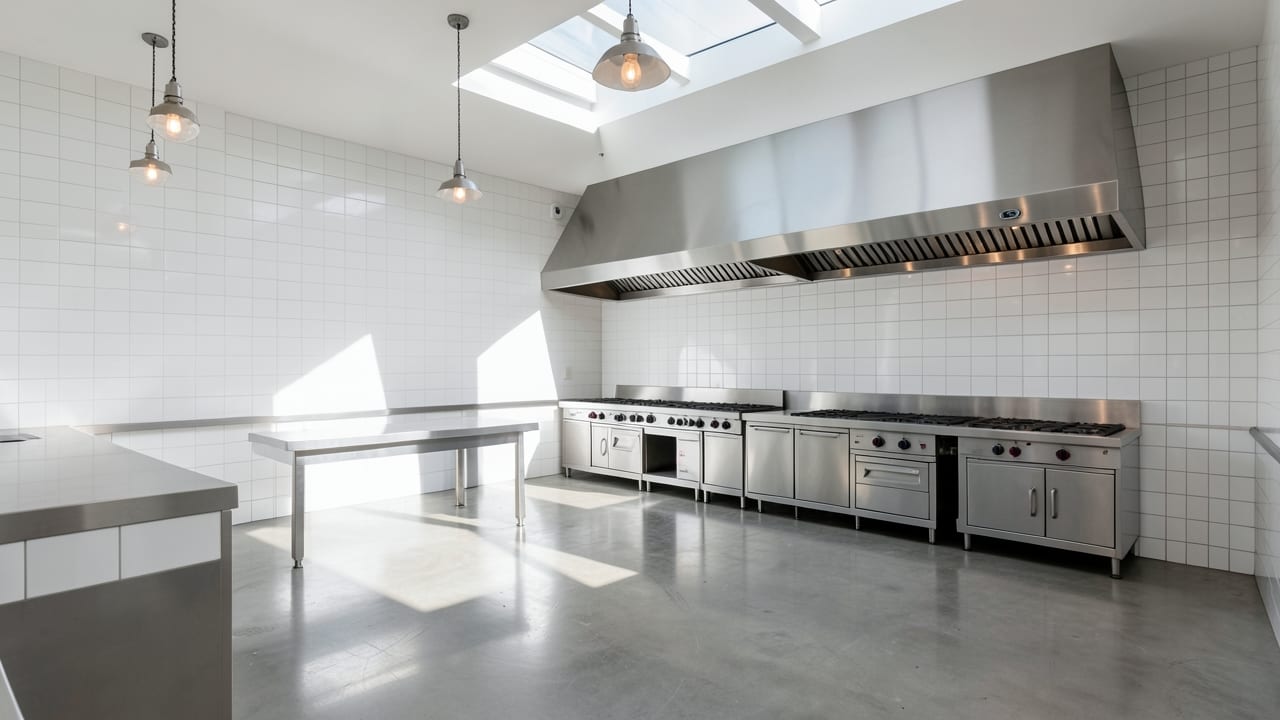
Restaurant Mold Remediation
Professional mold removal and remediation for restaurant spaces to ensure safety and compliance.
Mold in your Mount Holly home can spread quickly in damp areas like kitchens, bathrooms, and basements, posing health risks and damaging materials. Professional remediation safely removes mold, fixes moisture issues, and restores a clean environment—using containment, HEPA filtration, and testing to ensure spore control and prevent regrowth.
When to call for help
Mold cleanup becomes a job for professionals when it covers more than a small patch, keeps returning after cleaning, or hides behind walls and under floors.
We also handle HVAC Mold Remediation and Drywall Mold Remediation for Mount Holly properties.
In Mount Holly, signs like a musty smell, visible growth in multiple rooms, or mold in HVAC vents often mean hidden moisture is feeding the problem.
DIY methods like bleach or vinegar may kill surface mold but fail to address spores deep in materials or the moisture source. Without containment and proper removal, spores can spread to unaffected areas, turning a small issue into a larger one.
Signs You Need Professional Mold Remediation
- Mold covers more than 25 square feet in a single area (a common threshold for professional work).
- Growth returns within weeks after cleaning, suggesting the moisture source isn’t fixed.
- A musty odor lingers with no visible mold, often indicating hidden growth in walls or ducts.
- Mold appears in multiple rooms or spreads after HVAC use, signaling contamination in the system.
What affects cost and timeline
Pricing for mold remediation depends on the size of the affected area, the type of materials involved, and whether hidden moisture requires structural drying. In Mount Holly, projects are priced per square foot after an inspection, with complex jobs—like those involving drywall removal or HVAC cleaning—taking longer and costing more.
Containment, HEPA air scrubbing, and clearance testing add to the upfront cost but prevent spores from spreading and ensure the job is thorough. Skipping these steps can lead to higher costs later if mold returns.
After the work is done
Once remediation is complete, an independent clearance test confirms spore levels are back to normal before containment is removed. However, regrowth often happens if the moisture source—like a leak or poor ventilation—isn’t addressed. Checking humidity in the treated area for the first year helps catch early recurrence.
Prevent future issues by fixing leaks, improving airflow in damp spaces, and using dehumidifiers in persistently humid rooms. Outdoor grading and downspout placement also play a role in keeping basements and foundations dry.
Removing mold without fixing the moisture source or using non-HEPA equipment can spread spores and cause regrowth. Always confirm containment is used, clearance testing is included, and the crew is registered as a New Jersey Home Improvement Contractor (HIC).
How mold remediation works
Professional remediation follows strict steps to safely remove mold and prevent spread.
- 1Containment Setup
Plastic sheeting and negative-air machines seal the work area to trap spores, preventing them from drifting into other parts of the home.
- 2Material Removal or Cleaning
Porous materials like drywall or insulation are cut out and bagged, while non-porous surfaces are scrubbed and treated to kill remaining spores.
- 3HEPA Filtration and Drying
HEPA air scrubbers run continuously, and surfaces are vacuumed with HEPA filters to capture spores. Industrial dehumidifiers dry framing and subfloors to prevent future growth.
- 4Clearance Testing
An independent lab tests air or surfaces to confirm spore levels are safe before containment is removed.
- 5Moisture Source Fix
The underlying leak, condensation, or ventilation issue is addressed to stop regrowth, though this step may require additional work.
Frequently asked questions
Can I clean small mold patches myself?
Small, isolated patches (under 10 sq ft) can be cleaned with detergent and water, but avoid bleach, which doesn’t penetrate porous materials. If mold keeps returning or spreads, professional remediation is needed to address hidden growth and moisture sources.
How long does remediation take?
Timelines vary by size and complexity—small jobs may take a day, while larger or hidden mold can require weeks. Containment, drying, and testing add time but ensure thoroughness.
Will my insurance cover mold remediation?
Some homeowners’ policies cover sudden water damage that leads to mold, but gradual issues (like chronic leaks) are often excluded. Check your policy or consult your agent before assuming coverage.
How do I know if my mold is dangerous?
Certain molds (like black mold/Stachybotrys) produce toxins, but visual inspection alone can’t confirm species. Lab testing during remediation identifies harmful types, though most household mold is managed by containment and removal.
See Fieldsboro, NJ for more, or check out the rest of our Mount Holly lineup in full for our complete lineup.
Ready to get started?
Talk to a local mold remediation pro in Mount Holly — get a written quote.
Other Mold Remediation Services in Mount Holly
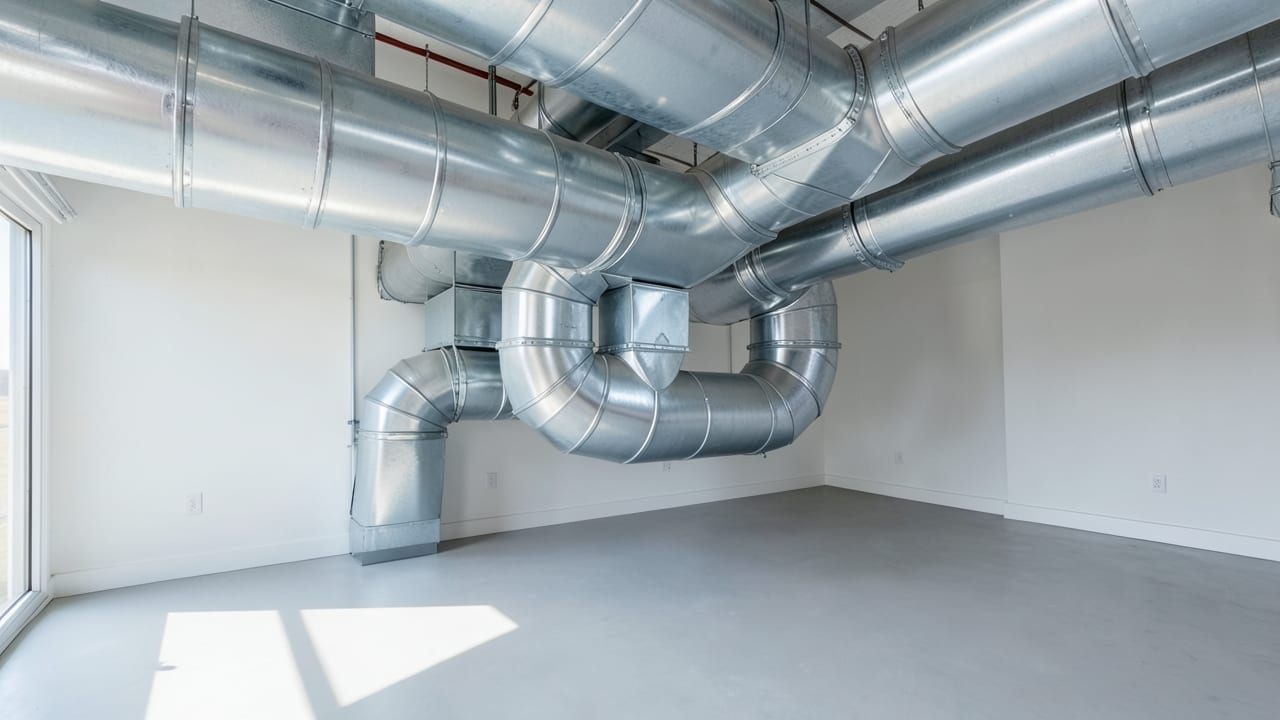
HVAC Mold Remediation in Mount Holly, NJ
HVAC and ductwork mold remediation in Mount Holly, NJ — mold growing inside the air handler or duct system, spreading through every vent.
Learn More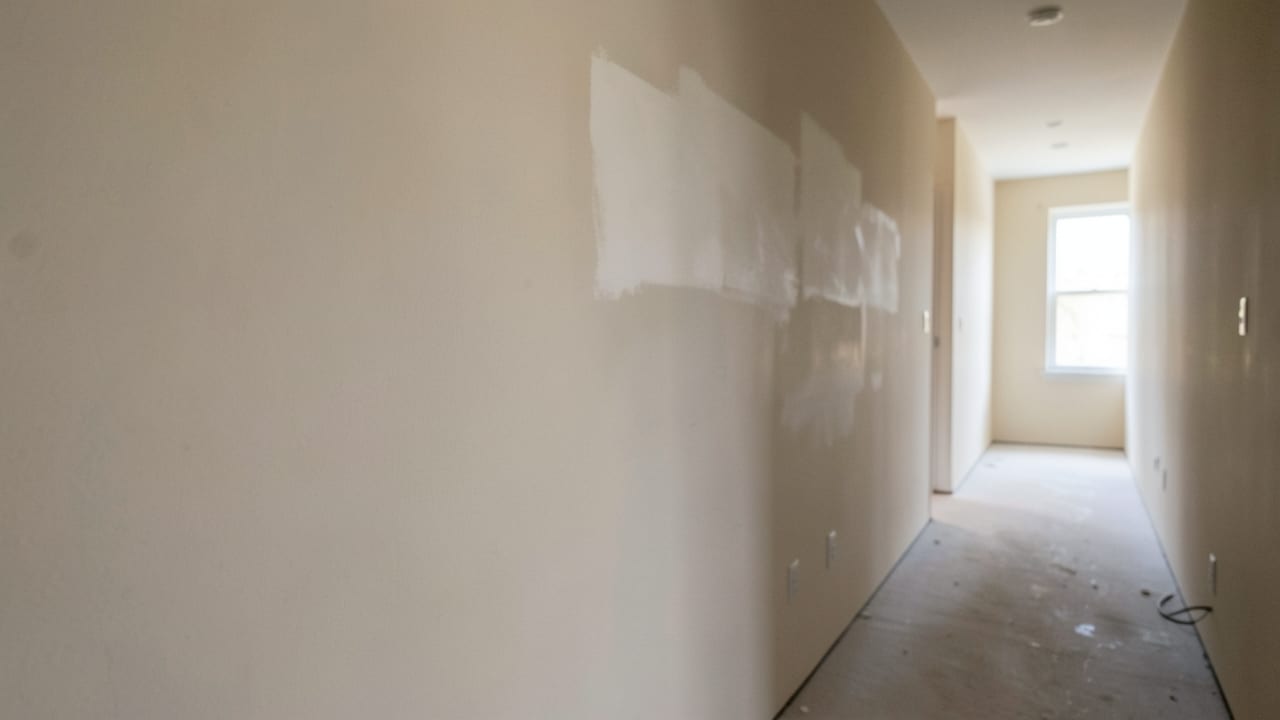
Drywall Mold Remediation in Mount Holly, NJ
Professional removal and treatment of mold growth behind or on drywall surfaces.
Learn More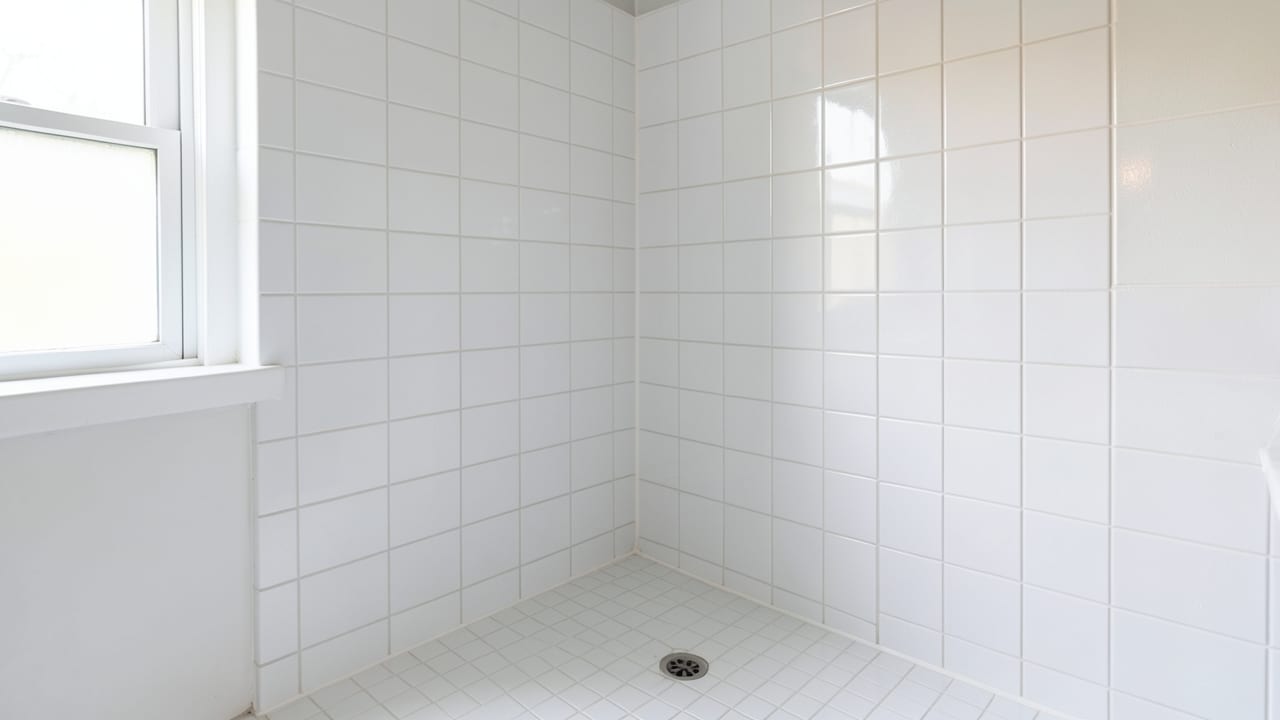
Bathroom Mold Removal in Mount Holly, NJ
Professional assessment and removal of mold in bathrooms to restore a safe, clean environment.
Learn More
Concrete Mold Remediation in Mount Holly, NJ
Professional removal and treatment of mold from concrete surfaces in homes.
Learn More
Garage Mold Removal in Mount Holly, NJ
Professional assessment and removal of mold growth in garages to restore a safe, clean space.
Learn More
Ceiling Mold Removal in Mount Holly, NJ
Professional removal of mold growth from ceilings, including containment and cleanup.
Learn MoreCommon Questions About Mold Remediation in Mount Holly
Everything you need to know about mold remediation services in Mount Holly
How much does Restaurant Mold Remediation typically cost in Mount Holly, NJ?
Why does Mount Holly, NJ's humidity make mold a bigger risk than in drier regions?
How does mold remediation actually prevent the problem from coming back?
Can mold growing inside HVAC ductwork spread to the rest of a home?
Does mold mean the same thing as mildew?
Does homeowners insurance typically cover mold remediation?
Need Mold Remediation in Mount Holly?
Connect with local providers in Mount Holly for a detailed quote.
⏰ We answer your call • Serving all of Mount Holly and surrounding areas