Pest Infestation Mold Remediation
Professional mold removal and remediation for pest-related infestations in homes.
Pest infestations in Mount Holly homes can create hidden mold growth in walls, attics, or crawl spaces due to moisture from pests like rodents or insects. Pest Infestation Mold Remediation addresses this issue by containing spores, removing contaminated materials, and fixing moisture sources to prevent regrowth.
This process ensures thorough cleanup and protects your home from further spread.
We also handle Salt Air Mold Remediation and Spring Mold Inspection for Mount Holly properties.
When to call for pest infestation mold remediation
Mold from pests often hides behind surfaces, making it hard to spot. Look for signs like mold covering more than a small patch, recurring growth in the same spot, or a musty smell with no visible mold.
If your HVAC system spreads the smell, mold may be in the ductwork. These signs mean the problem is likely beyond DIY fixes and requires professional remediation.
Hidden moisture sources—like leaks, condensation, or poor drainage—keep mold coming back. Without fixing these, even thorough remediation may not last. A professional can identify and address these issues, reducing the risk of future growth.
Signs You Need Professional Remediation
- Mold covering more than 25 contiguous square feet (a common threshold for professional work).
- Growth returning in the same spot after cleaning, indicating an unresolved moisture issue.
- A musty smell with no visible mold, suggesting hidden growth in walls, under flooring, or in ductwork.
- Visible mold near pest activity, like rodent nests or insect trails, which may indicate moisture from droppings or decay.
What affects pricing and timing?
Pricing for pest infestation mold remediation in Mount Holly depends on the size of the affected area, the extent of material removal, and whether additional services—like pest control or structural repairs—are needed. Unlike flat-rate pricing, most providers give a project-specific quote after inspecting the site.
Timing varies based on containment setup, material removal, drying, and clearance testing. Larger infestations or hidden mold in walls may take longer. Independent testing after remediation ensures the work meets safety standards before the area is released.
Why containment and testing matter
During remediation, plastic sheeting and negative-air machines seal off the work area to prevent spores from spreading to unaffected parts of your home. Without this, spores can drift into living spaces, turning a contained job into a larger problem.
After removal, independent clearance testing confirms spore levels are safe. Skipping this step leaves no proof the mold is gone, and hidden moisture sources can cause regrowth. Testing ensures the work meets health and safety standards.
Breached containment—like torn plastic or open doors—lets spores escape, spreading contamination beyond the original site. Always verify the crew follows proper containment protocols.
How pest infestation mold remediation works
- 1Containment Setup
Plastic sheeting and negative-air machines seal the affected area to trap spores during removal, preventing them from spreading to other parts of the home.
- 2Material Removal
Porous materials like drywall or insulation, which absorb mold, are cut out and bagged inside containment. Non-porous surfaces are scrubbed and treated instead of discarded.
- 3Structural Drying
Industrial dehumidifiers and air movers dry framing and subfloors to normal moisture levels, as mold regrows on damp materials even after visible traces are removed.
- 4HEPA Filtration and Cleanup
HEPA-filtered air scrubbers and vacuums capture spores during removal, unlike standard equipment, which recirculates them. Surfaces are vacuumed with HEPA tools to ensure spores don’t linger.
- 5Clearance Testing
An independent lab tests air or surfaces post-remediation to confirm spore counts are within safe ranges before containment is removed.
Frequently asked questions
How do I know if my mold is from pests?
Look for signs of pest activity—like droppings, nests, or chewed materials—near mold growth. Musty smells near pest entry points (e.g., attics, basements) or mold returning after cleaning also suggest pest-related moisture.
Will my insurance cover pest infestation mold remediation?
Check your homeowners policy, as some cover mold from sudden water damage (like pest leaks) but exclude gradual issues. Document the problem and pests involved, and consult your insurer before hiring a contractor.
Can I clean mold myself if it’s small?
Small patches (under 10 sq ft) can often be cleaned with detergent and water, but pest-related mold may require fixing the moisture source first. If growth keeps returning or spreads, professional remediation is safer.
How long does the remediation process take?
Timing varies—containment and removal may take 1–3 days, drying 2–5 days, and testing adds another 1–2 days. Hidden mold or large areas extend the process.
See Rancocas, NJ for more, or check out our complete Mount Holly service list at a glance for our complete lineup.
Ready to get started?
Talk to a local mold remediation pro in Mount Holly — get a written quote.
Other Mold Remediation Services in Mount Holly
Salt Air Mold Remediation in Mount Holly, NJ
Professional mold assessment, containment, removal, and prevention in affected areas of the home.
Learn More
Spring Mold Inspection in Mount Holly, NJ
Professional assessment and identification of mold growth in homes.
Learn More
Move-In Mold Assessment in Mount Holly, NJ
Professional inspection and assessment of mold presence before moving into a property.
Learn More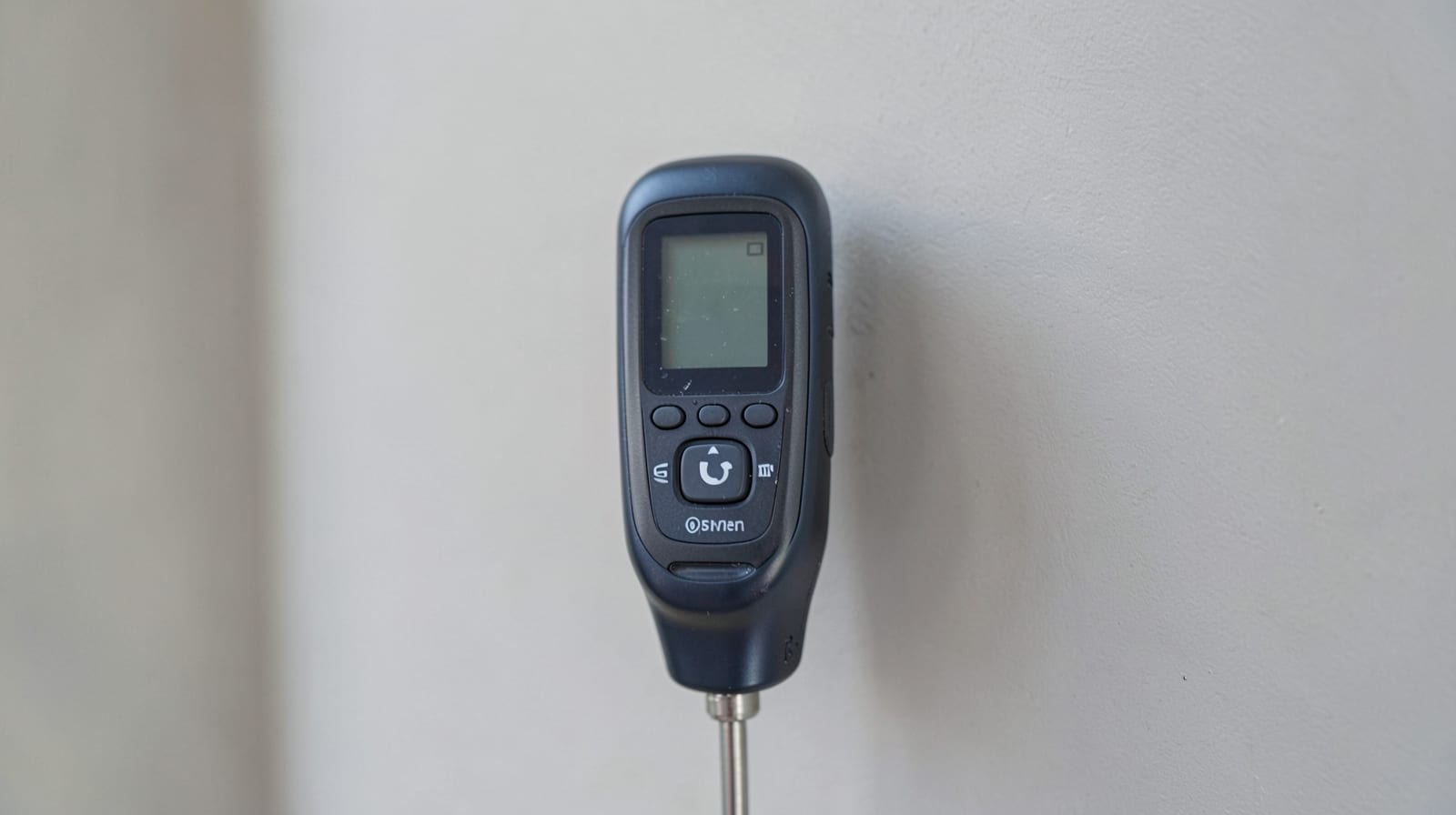
Mold Inspection in Mount Holly, NJ
Mold inspection in Mount Holly, NJ — a visual and moisture-meter assessment that finds the source of growth, not just the visible spot on the wall.
Learn More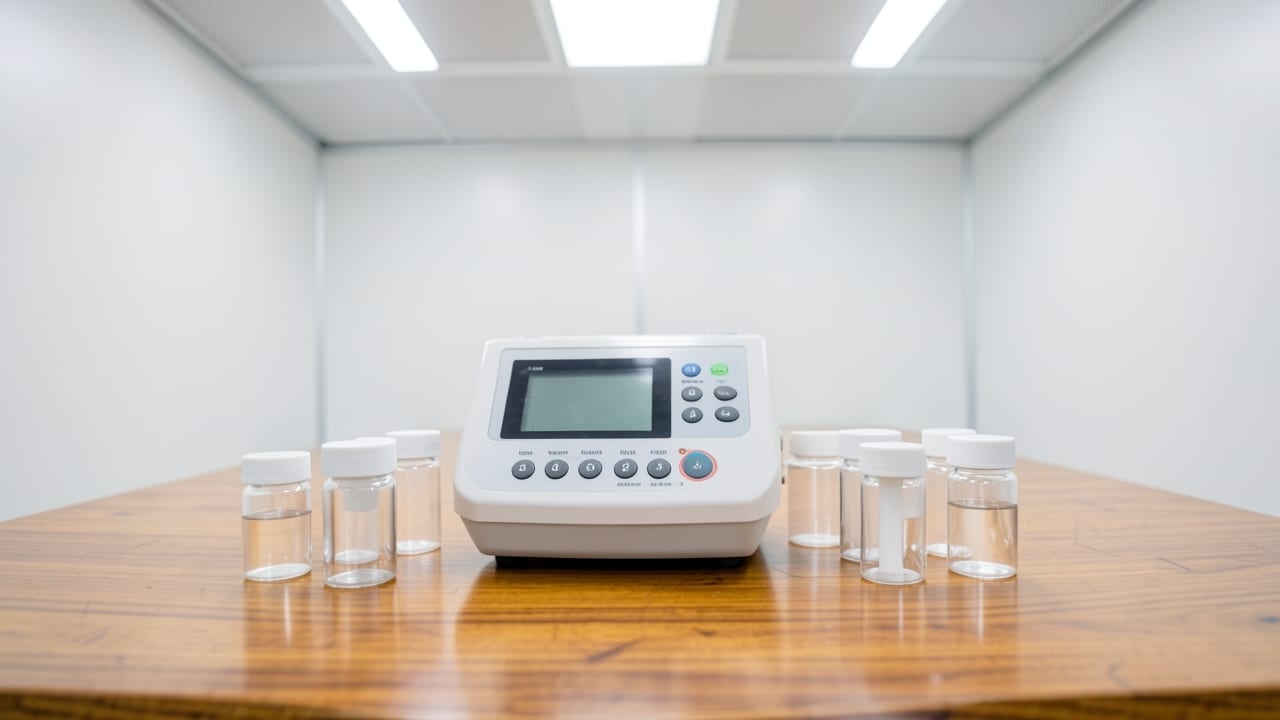
Mold Testing & Air Quality Testing in Mount Holly, NJ
Mold and indoor air quality testing in Mount Holly, NJ — lab-analyzed air and surface samples confirm what's actually growing and whether it's airborne.
Learn More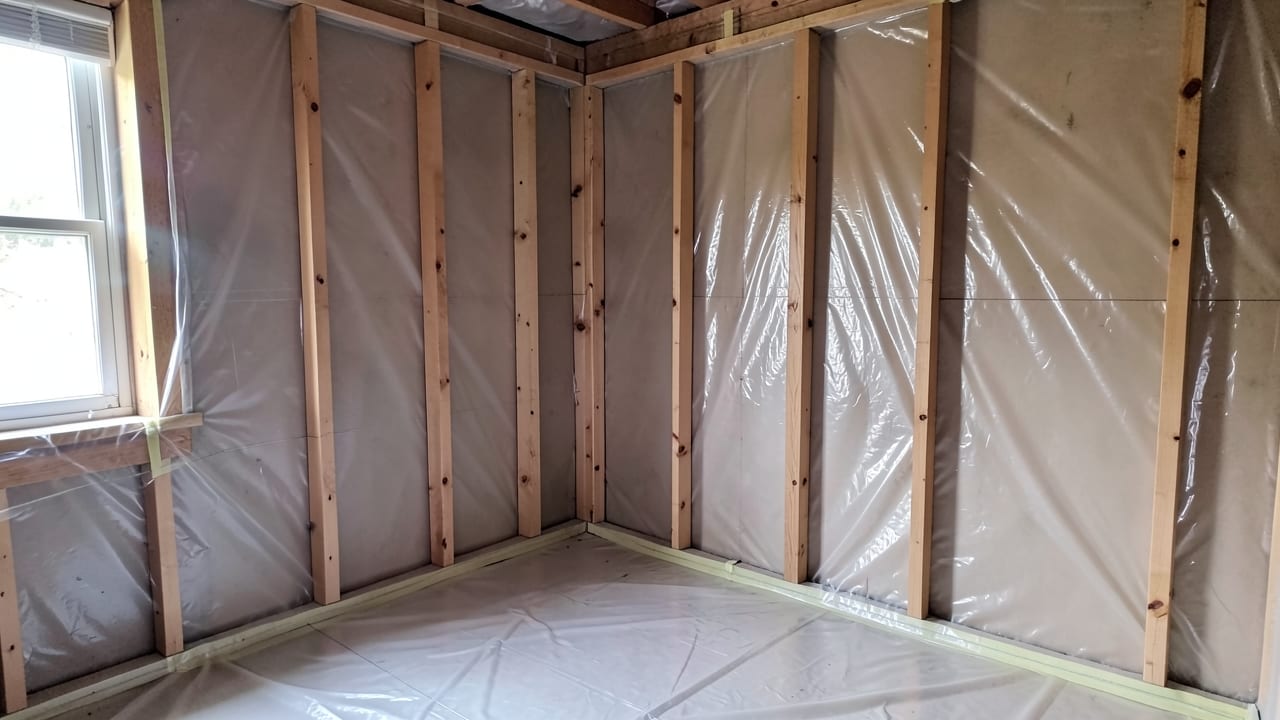
Mold Removal & Remediation in Mount Holly, NJ
Mold removal and remediation in Mount Holly, NJ — containment, HEPA filtration, and removal of affected material following industry (IICRC S520) protocol.
Learn MoreCommon Questions About Mold Remediation in Mount Holly
Everything you need to know about mold remediation services in Mount Holly
How much does Pest Infestation Mold Remediation typically cost in Mount Holly, NJ?
Why does Mount Holly, NJ's humidity make mold a bigger risk than in drier regions?
Is it safe to stay in the home during mold remediation?
Can small mold problems be handled without hiring anyone?
What's the actual difference between mold removal and mold remediation?
Is a final clearance test part of a typical mold remediation job?
Need Mold Remediation in Mount Holly?
Connect with local providers in Mount Holly for a detailed quote.
⏰ We answer your call • Serving all of Mount Holly and surrounding areas