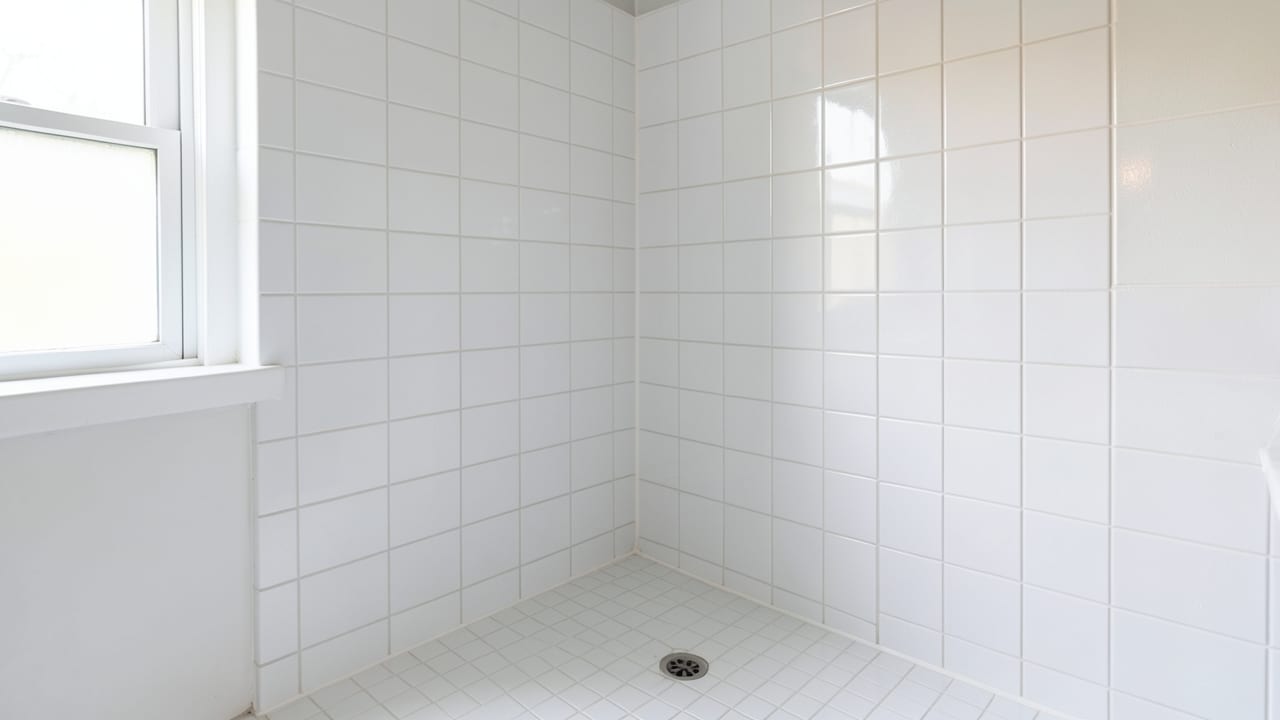
Bathroom Mold Removal
Professional assessment and removal of mold in bathrooms to restore a safe, clean environment.
Bathroom mold in Mount Holly, NJ, often hides behind tiles, under sinks, or inside walls, where it thrives on dampness from leaks, poor ventilation, or high humidity.
Professional remediation targets visible spores and hidden colonies using containment, HEPA filtration, and moisture control to prevent regrowth, while addressing the root cause to help the finish last longer than a surface clean alone.
We also handle HOA Mold Remediation and Restaurant Mold Remediation for Mount Holly properties.
When mold in your bathroom needs professional help
Some mold growth can be wiped away with vinegar or bleach, but certain signs mean the problem has likely spread beyond a simple cleanup.
If the mold covers more than a small patch (around 10 square feet), keeps returning after cleaning, or you notice a musty smell with no visible source, professional remediation is usually the safer choice. Hidden growth—behind walls, under flooring, or inside ductwork—often requires cutting into materials to remove it properly.
Even if the mold is visible, fixing the moisture source (like a leak or condensation) is just as important as removing the spores. Without addressing why the mold grew in the first place, the same materials will stay vulnerable to regrowth.
A professional can also test for hidden moisture and confirm the job is complete with clearance testing, which a DIY approach often skips.
Signs Your Bathroom Mold Needs Professional Remediation
- Mold covers more than a small, isolated patch (typically over 10 square feet).
- The growth keeps returning after cleaning, even after fixing obvious leaks.
- You smell a musty odor but can’t find visible mold—it may be hidden in walls, under flooring, or in ductwork.
- The mold is black (often *Stachybotrys*), which can indicate deeper contamination requiring specialized removal.
- You’ve already tried cleaning it yourself with bleach or vinegar, but it persists.
What affects the cost and timeline for mold removal?
The price for bathroom mold remediation in Mount Holly varies based on the size of the affected area, the materials involved (porous drywall often needs replacement, while tile can sometimes be saved), and whether hidden mold is discovered during the job.
Containment, HEPA filtration, and clearance testing are standard steps that add to the total cost but help ensure the work is thorough. A confirmed black mold case may also increase the price by 15–25% due to extra precautions.
Timing depends on how much material needs to be removed or treated. If walls or flooring are opened to access hidden mold, drying time with industrial dehumidifiers can extend the job by a few days.
Clearance testing, done by an independent lab, is often scheduled separately and can add another 1–3 days to the process.
What to watch for in a quote—and what to ask
Not all quotes for mold removal are equal. Some may exclude containment, clearance testing, or fixing the moisture source, which can lead to higher costs later if the mold returns.
A legitimate quote should specify whether it covers inspection, remediation, and post-job testing, and it should include an itemized scope of work to avoid surprises. If a bid seems unusually low, it may be missing critical steps like HEPA filtration or third-party verification.
Ask whether the company is registered as a New Jersey Home Improvement Contractor (HIC) with the state Division of Consumer Affairs. This registration requires proof of liability insurance and ensures the crew follows state guidelines for containment and disposal.
Avoid contracts that rush you into signing during the inspection or demand full payment upfront—these are red flags for potential disputes later.
| Red Flag in a Quote | Why It’s a Concern |
|---|---|
| No mention of containment or clearance testing | Airborne spores may spread during removal, and you won’t know if the job was fully effective. |
| Vague area estimates (e.g., ‘small bathroom’ instead of square footage) | Pricing can’t be compared accurately between bids. |
| Pressure to sign the contract during the inspection | A proper scope of work takes time to prepare—rushing may hide missing details. |
| Full payment requested before any work starts | Lack of leverage if the job isn’t completed as described. |
How bathroom mold removal works
Professional remediation follows strict steps to contain spores, remove contaminated materials, and prevent regrowth.
- 1Containment Setup
Plastic sheeting seals off the bathroom, and negative-air machines create a vacuum that pulls spores away from the rest of the house. This prevents cross-contamination while work is done.
- 2Material Removal or Treatment
Porous materials like drywall or insulation that absorb mold are cut out and bagged. Non-porous surfaces (tile, grout, metal) are scrubbed with antimicrobial treatments and HEPA-vacuumed to capture loose spores.
- 3Structural Drying
Industrial dehumidifiers and air movers lower moisture levels in framing and subflooring to below 60% relative humidity, which is the threshold where mold typically stops growing.
- 4HEPA Filtration and Cleanup
HEPA air scrubbers run continuously during the job, and surfaces are vacuumed with HEPA filters to trap spores that would otherwise stay airborne. Standard shop vacuums or non-HEPA scrubbers recirculate spores instead.
- 5Clearance Testing
An independent lab tests air or surfaces for mold spores after remediation. If counts are back to normal, the containment is removed; if not, additional work may be needed.
Frequently asked questions
Can I just bleach the mold myself, or do I need a professional?
Bleach can kill surface mold but often fails to penetrate porous materials like drywall or grout, where spores may remain. If the mold is widespread, hidden, or keeps returning, professional remediation is usually more effective at preventing regrowth.
How do I know if the mold is still there after the job is done?
Clearance testing by an independent lab is the only way to confirm mold levels are back to normal. Some companies offer this as part of their service, while others may charge extra—ask upfront whether it’s included.
Will my bathroom stay damp even after the mold is removed?
If the moisture source (like a leak or poor ventilation) isn’t fixed, the area will likely stay damp. A professional can identify and address these issues during the job to help reduce the risk of future growth.
How long should I stay out of the bathroom during remediation?
You’ll typically need to avoid the area until containment is removed and clearance testing is complete, which can take a few days. The crew will advise you when it’s safe to re-enter.
See Vincentown, NJ for more, or discover our complete Mount Holly service list for our complete lineup.
Ready to get started?
Talk to a local mold remediation pro in Mount Holly — get a written quote.
Other Mold Remediation Services in Mount Holly
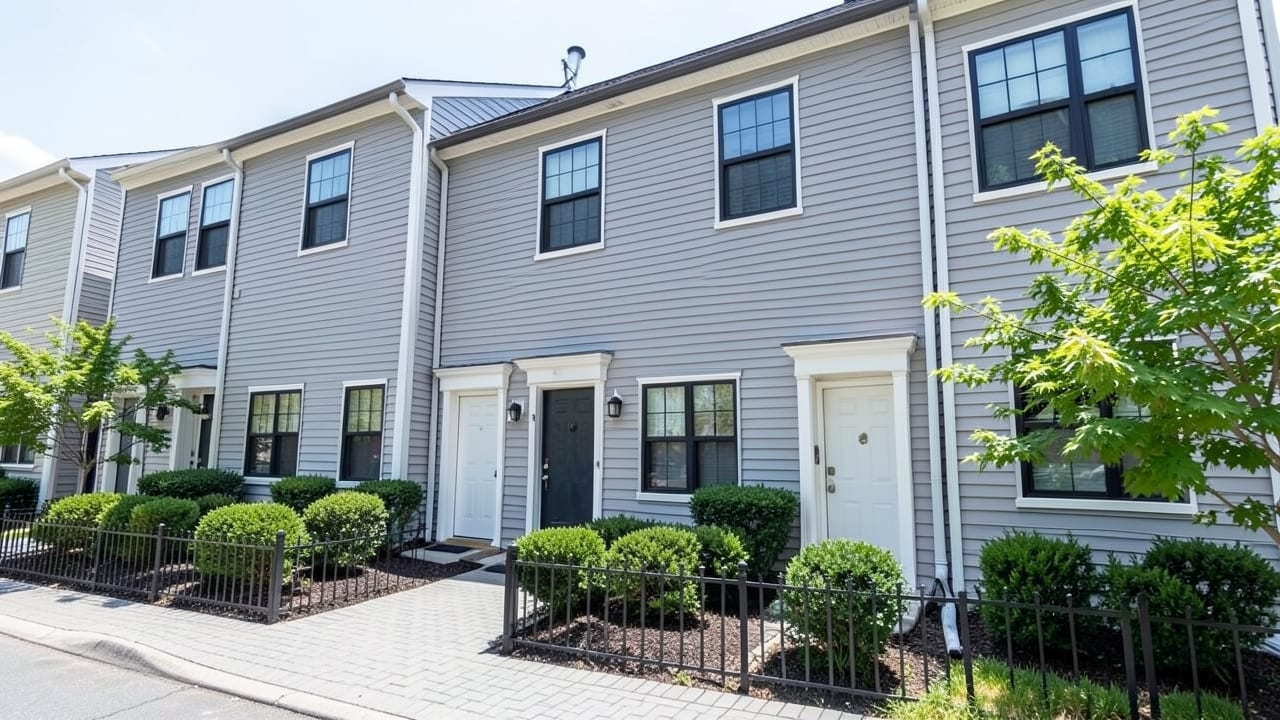
HOA Mold Remediation in Mount Holly, NJ
Professional mold removal and remediation for HOA properties to restore safe, healthy living conditions.
Learn More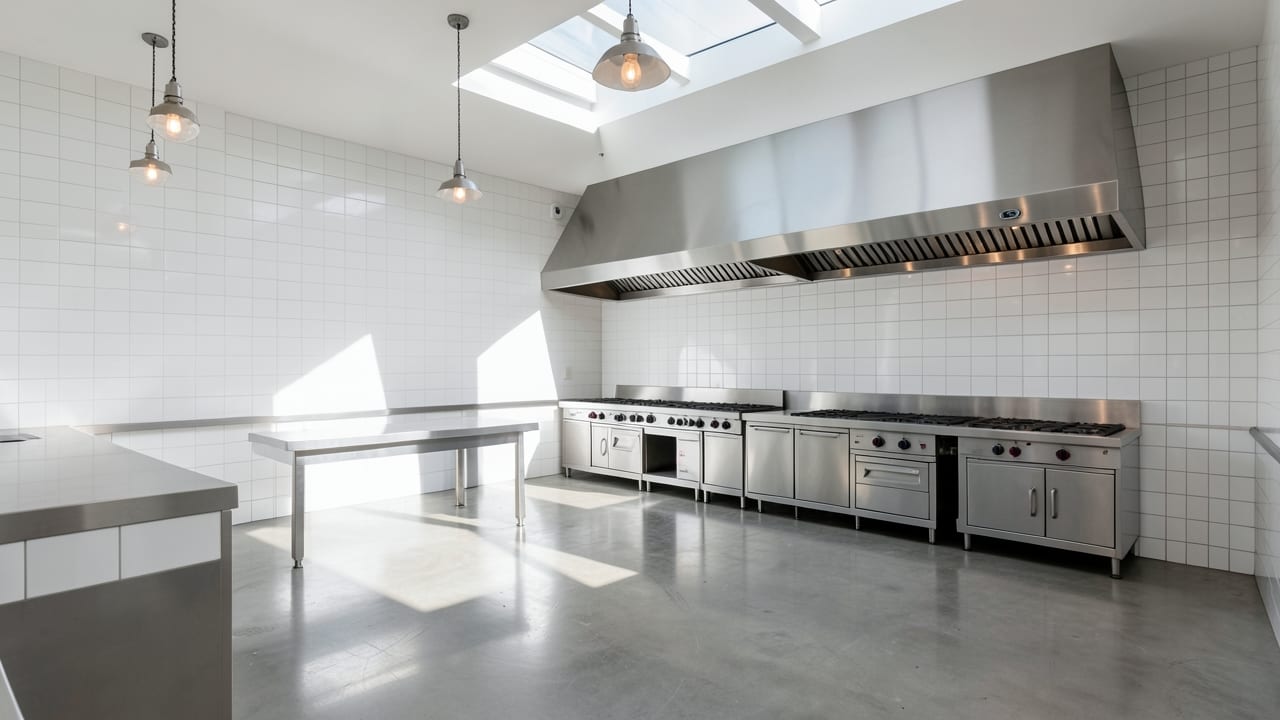
Restaurant Mold Remediation in Mount Holly, NJ
Professional mold removal and remediation for restaurant spaces to ensure safety and compliance.
Learn More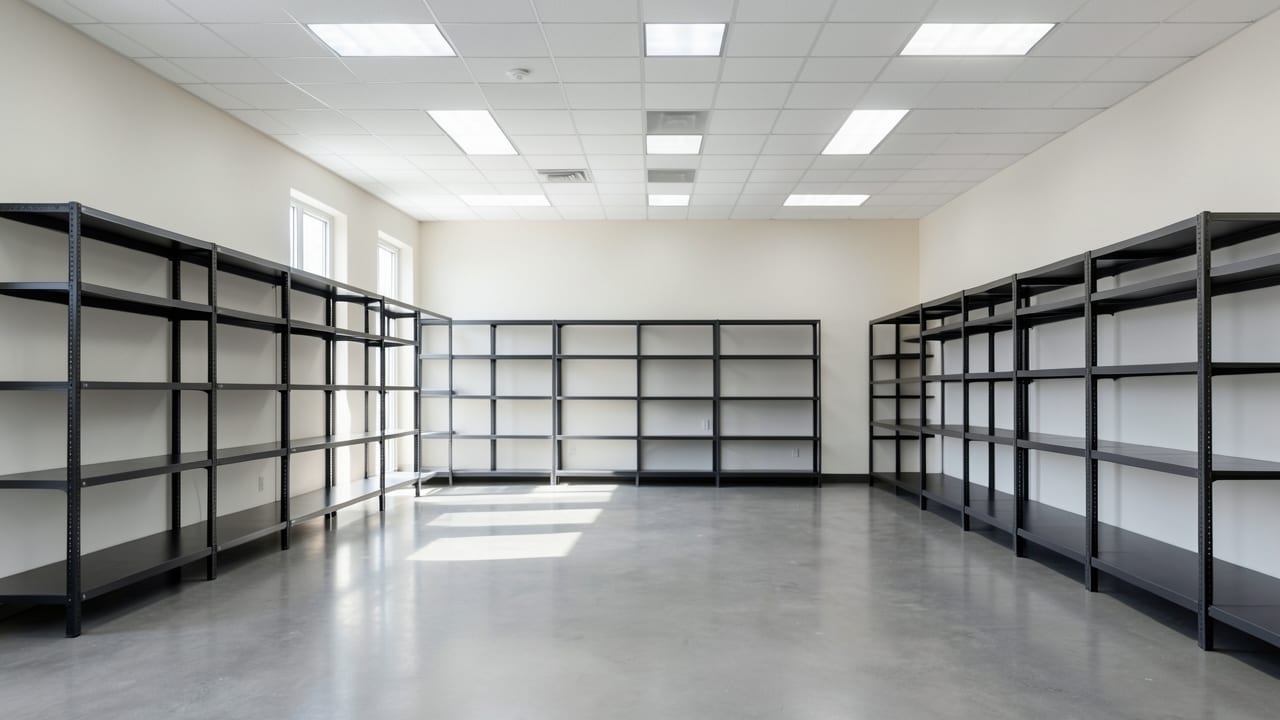
Retail Store Mold Remediation in Mount Holly, NJ
Professional mold removal and remediation for retail stores to restore safe, clean environments.
Learn More
Clinic Mold Remediation in Mount Holly, NJ
Professional mold removal and remediation to restore safe, healthy indoor spaces.
Learn More
Hotel Mold Remediation in Mount Holly, NJ
Professional removal and treatment of mold growth in hotel properties to restore safe, clean environments.
Learn More
Gym Mold Remediation in Mount Holly, NJ
Professional removal and treatment of mold in gyms to restore safe, clean environments.
Learn MoreCommon Questions About Mold Remediation in Mount Holly
Everything you need to know about mold remediation services in Mount Holly
How much does Bathroom Mold Removal typically cost in Mount Holly, NJ?
Why does Mount Holly, NJ's humidity make mold a bigger risk than in drier regions?
How does mold remediation actually prevent the problem from coming back?
Can mold growing inside HVAC ductwork spread to the rest of a home?
Does mold mean the same thing as mildew?
Does homeowners insurance typically cover mold remediation?
Need Mold Remediation in Mount Holly?
Connect with local providers in Mount Holly for a detailed quote.
⏰ We answer your call • Serving all of Mount Holly and surrounding areas