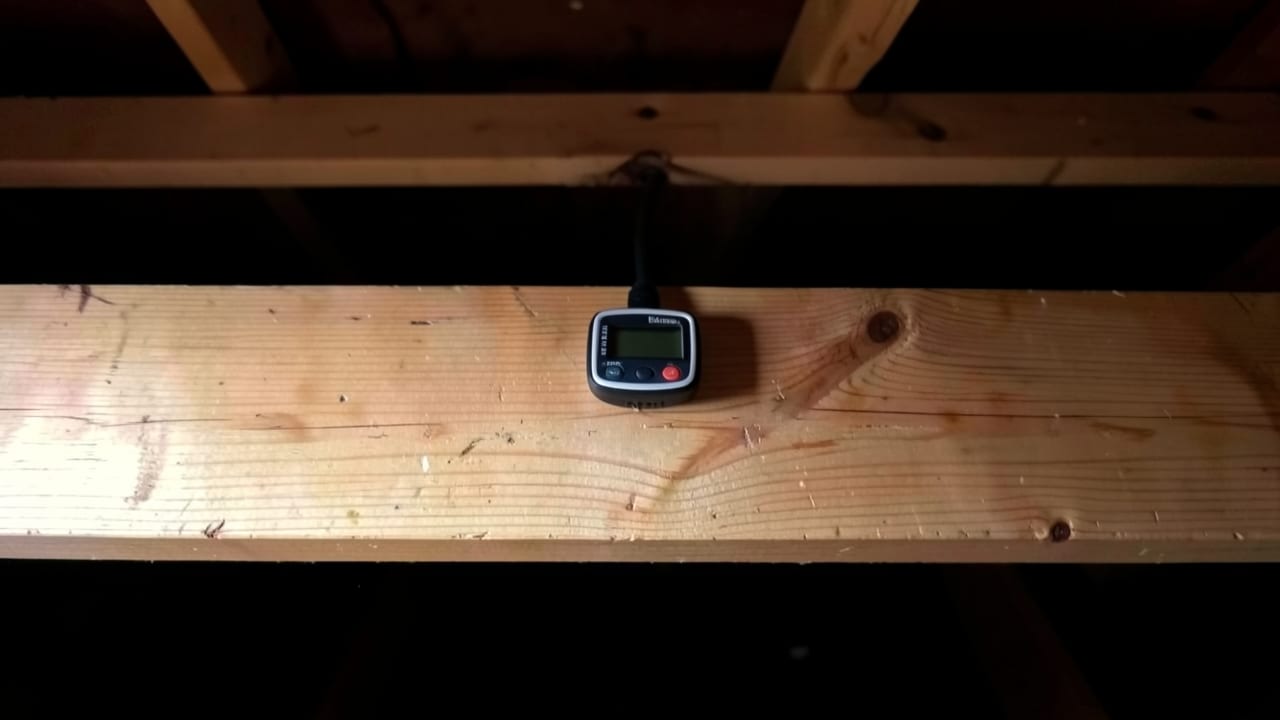
Spring Mold Inspection
Professional assessment and identification of mold growth in homes.
Spring in Mount Holly, NJ, brings warmer air and higher humidity, creating ideal conditions for mold growth in homes. A professional spring mold inspection helps identify hidden moisture sources, assess contamination levels, and provide a detailed report to guide remediation—before minor issues become costly repairs.
Trained inspectors use advanced tools and lab analysis to uncover what may not be visible to the naked eye, ensuring a thorough assessment tailored to your home’s specific needs.
We also handle Crawl Space & Basement Mold Remediation and Attic Mold Remediation for Mount Holly properties.
Why mold inspections matter in spring
Spring’s increase in humidity and rainfall can turn hidden leaks or damp areas into mold breeding grounds. Many homeowners in Mount Holly notice musty odors, visible stains, or health symptoms like sneezing or itchy eyes—signs that mold may already be present.
An inspection isn’t just about finding mold; it’s about tracing moisture back to its source, so the problem doesn’t return after remediation.
Without addressing the root cause, mold can spread undetected behind walls, under floors, or in HVAC systems. A professional inspection uses moisture meters, thermal imaging, and lab testing to confirm what’s visible and what’s hidden, providing a clear path forward for homeowners.
Signs You May Need an Inspection
- A persistent musty or earthy smell in closets, bathrooms, or crawl spaces that doesn’t fade with ventilation.
- Visible mold growth—black, green, or brown spots—on drywall, grout, window frames, or under carpets.
- A history of leaks or floods, even if the area was ‘dried out’ without professional confirmation.
- Health symptoms (sneezing, headaches, or itchy eyes) that improve when you leave a specific room.
- Condensation or dampness on windows, pipes, or walls, especially in basements or poorly ventilated areas.
What to expect during an inspection
A thorough mold inspection goes beyond a quick visual check. Inspectors map every affected area, use moisture meters to detect hidden dampness, and collect air and surface samples from suspect zones—plus a control area—to compare lab results against a baseline.
This ensures accuracy and helps identify whether mold levels are elevated or within normal ranges for your home.
The process also includes diagnosing the moisture source, whether it’s a roof leak, plumbing issue, poor grading, or condensation. Without fixing this, mold can return even after remediation. A written report with findings, affected materials, and square footage helps homeowners and contractors plan the next steps.
Avoiding common mistakes
DIY mold tests or quick swabs often miss critical details, like the moisture source or the full extent of contamination. Cross-contaminating samples by reusing tools or moving between affected and unaffected areas can skew lab results, making it harder to determine whether mold levels are truly a concern.
Always work with a professional who follows strict sampling protocols and uses third-party labs for unbiased analysis.
Skipping moisture source diagnosis is another common oversight. A high spore count alone doesn’t tell you whether the problem will recur. Inspectors trace water back to its origin—whether it’s a slow roof leak, a sweating pipe, or poor ventilation—to help homeowners fix the issue at its root.
Beware of estimates that exclude containment, clearance testing, or a written scope of work. Vague area estimates, pressure to sign during the inspection visit, or bids far below the local average ($270–$380) may signal incomplete service. Always verify the contractor’s New Jersey Home Improvement Contractor (HIC) registration before hiring.
How a spring mold inspection works
- 1Visual and Moisture Assessment
The inspector examines every room, focusing on basements, bathrooms, crawl spaces, and areas with visible stains or odors. Moisture meters and thermal imaging pinpoint hidden dampness in walls, subfloors, and ceilings, even where mold isn’t yet visible.
- 2Sample Collection
Air samples (spore traps) and surface swabs are taken from suspect areas, plus one unaffected room as a control. Tools are sterilized between uses to prevent cross-contamination, ensuring lab results accurately reflect your home’s conditions.
- 3Lab Analysis
Samples are sent to an independent, accredited lab for species identification and spore concentration testing. Results typically return in 2–5 business days, comparing your home’s levels to the control baseline for clarity.
- 4Moisture Source Diagnosis
The inspector traces water intrusion to its origin—whether it’s a plumbing leak, roof damage, or poor ventilation—and documents findings in a written report. This step is critical to preventing recurrence after remediation.
- 5Scope Report Delivery
A detailed report outlines affected materials, square footage, and the likely moisture source. This document serves as a roadmap for remediation and may be required by law before work begins in New Jersey.
Frequently asked questions
What’s the difference between a mold inspection and mold testing?
An inspection includes a visual assessment, moisture detection, and sample collection to identify mold and its source. Testing refers specifically to lab analysis of those samples. A full inspection provides context—like moisture sources—that testing alone cannot.
Can I do a mold test myself, or do I need a professional?
DIY tests may detect mold presence but often lack the precision of professional sampling, especially for hidden contamination. Professionals use calibrated tools, follow strict protocols, and compare results to control areas for accurate insights.
How long does it take to get results after an inspection?
Lab turnaround for mold samples typically takes 2–5 business days, depending on the facility. The inspection itself usually completes in 2–4 hours, depending on the home’s size and complexity.
Will the inspection tell me if the mold is dangerous?
The lab identifies mold species and spore levels, but toxicity depends on factors like your sensitivity and exposure duration. The inspection’s primary goal is to assess contamination and moisture sources, not to diagnose health effects.
See Juliustown, NJ for more, or take a look at everything on offer in Mount Holly from start to finish for our complete lineup.
Ready to get started?
Talk to a local mold remediation pro in Mount Holly — get a written quote.
Other Mold Remediation Services in Mount Holly
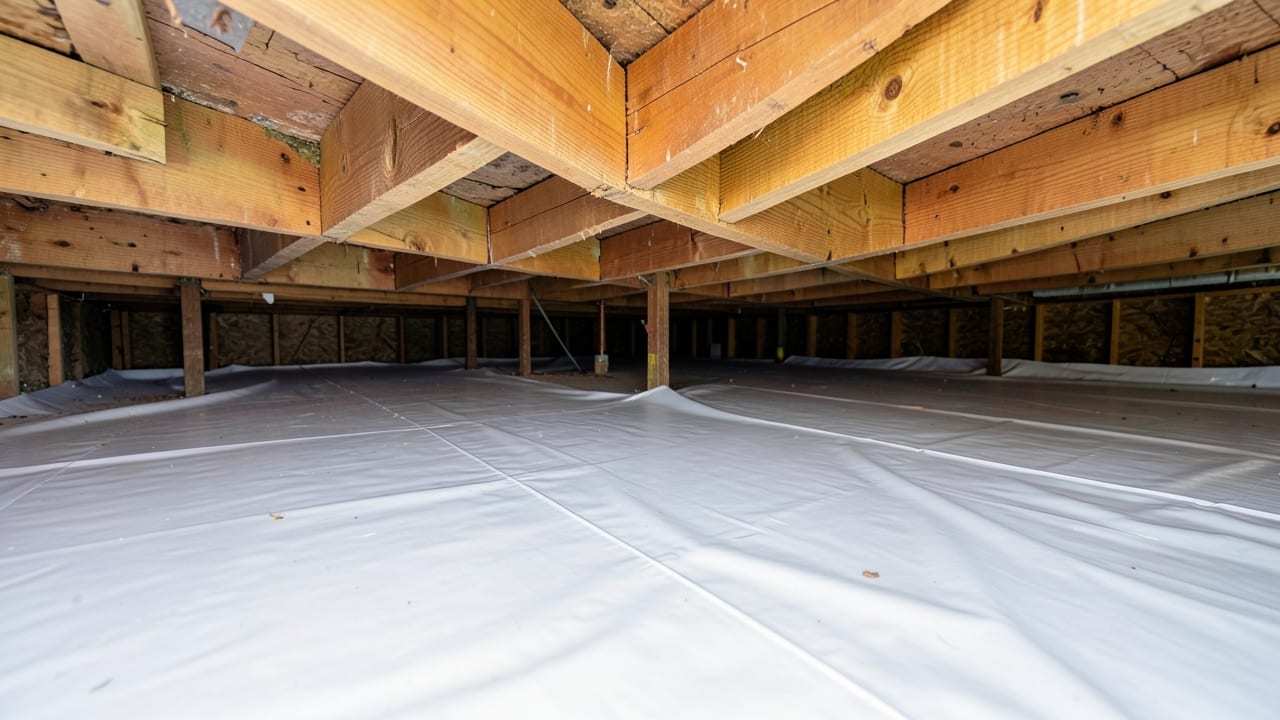
Crawl Space & Basement Mold Remediation in Mount Holly, NJ
Crawl space and basement mold remediation in Mount Holly, NJ addresses the two areas of a property most prone to trapped, unnoticed moisture.
Learn More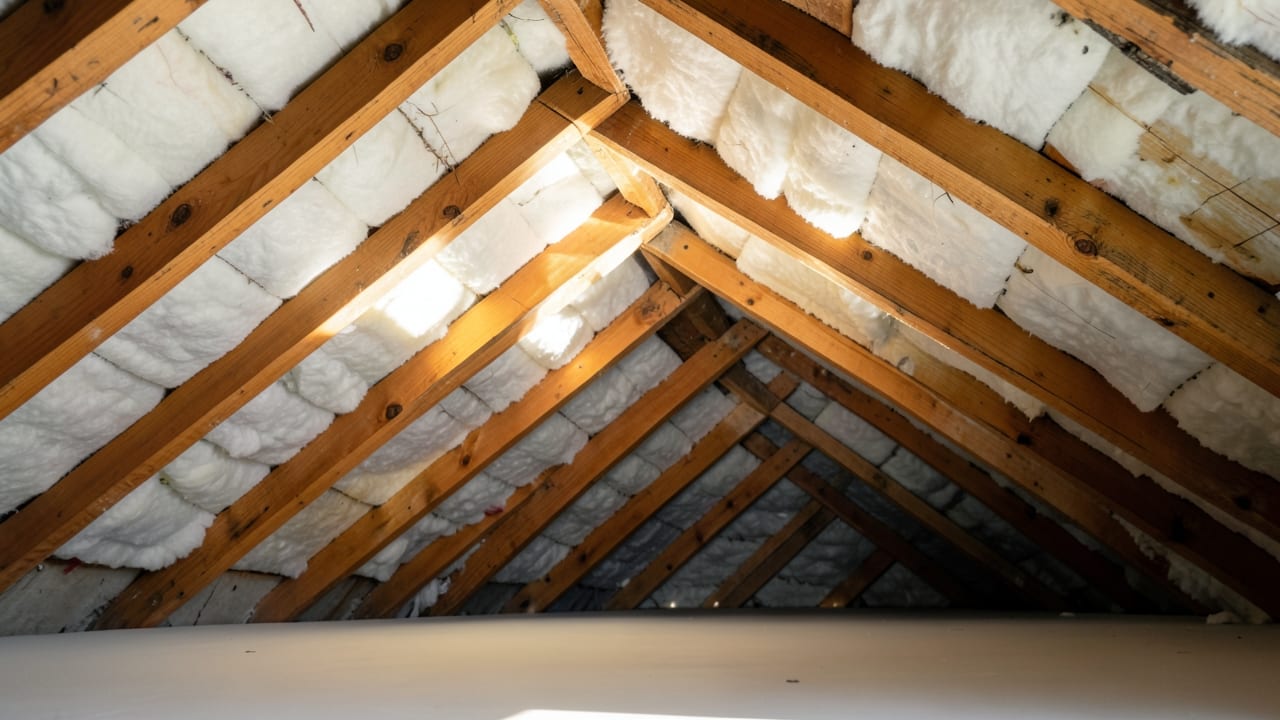
Attic Mold Remediation in Mount Holly, NJ
Attic mold remediation in Mount Holly, NJ addresses roof-deck growth typically caused by poor ventilation or a hidden roof leak.
Learn More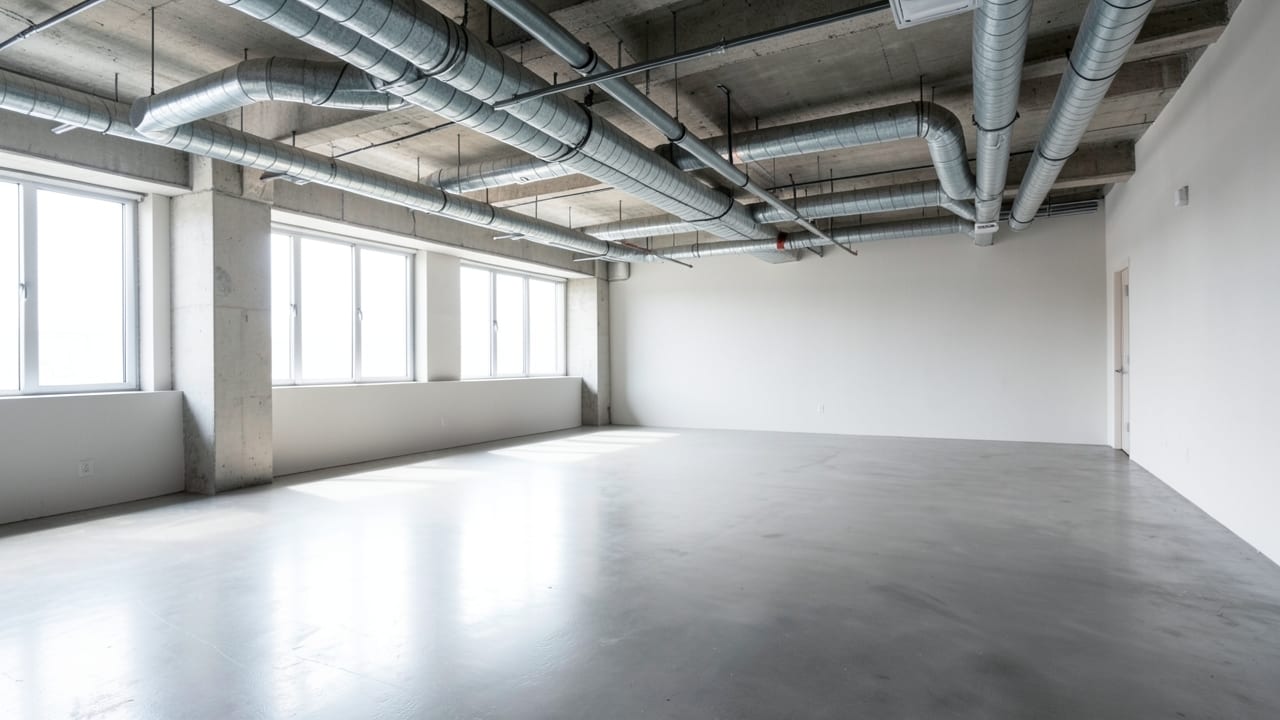
Commercial Mold Remediation in Mount Holly, NJ
Commercial mold inspection and remediation in Mount Holly, NJ for offices, retail space, and multi-unit properties, scheduled around business operations.
Learn More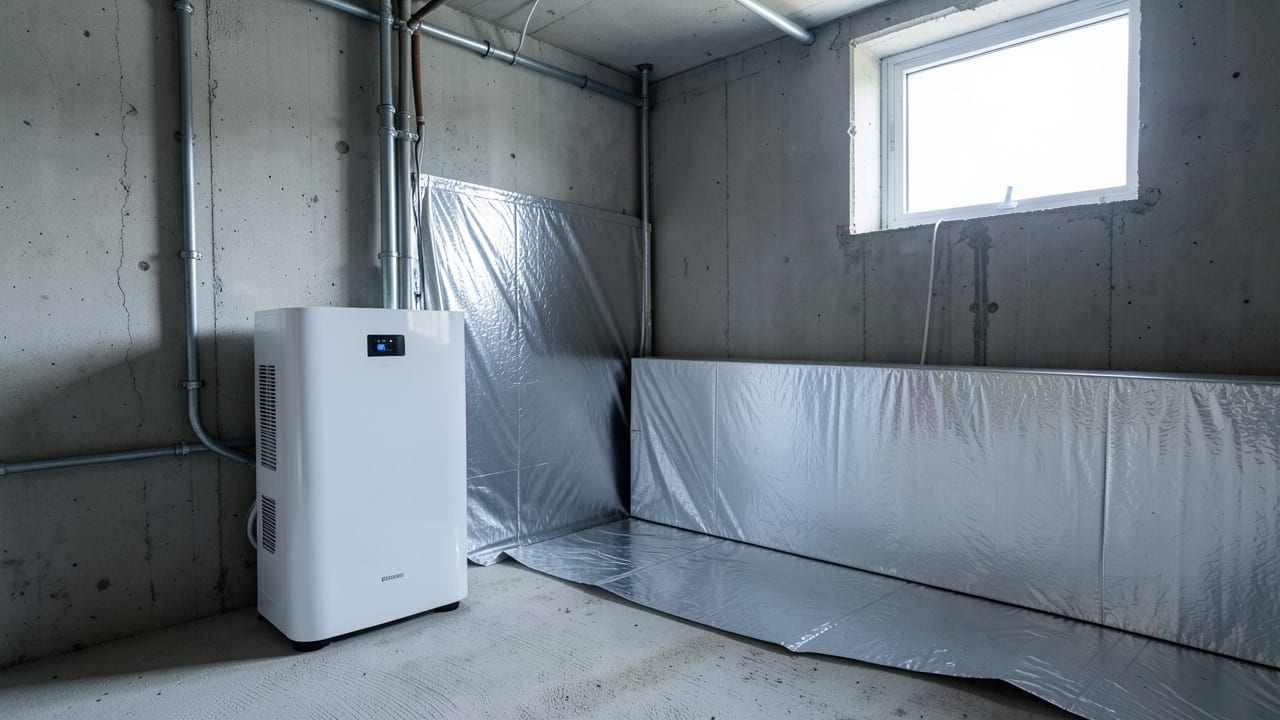
Mold Prevention & Moisture Control in Mount Holly, NJ
Mold prevention and moisture control in Mount Holly, NJ — addressing ventilation, humidity, and drainage before growth starts, not after.
Learn More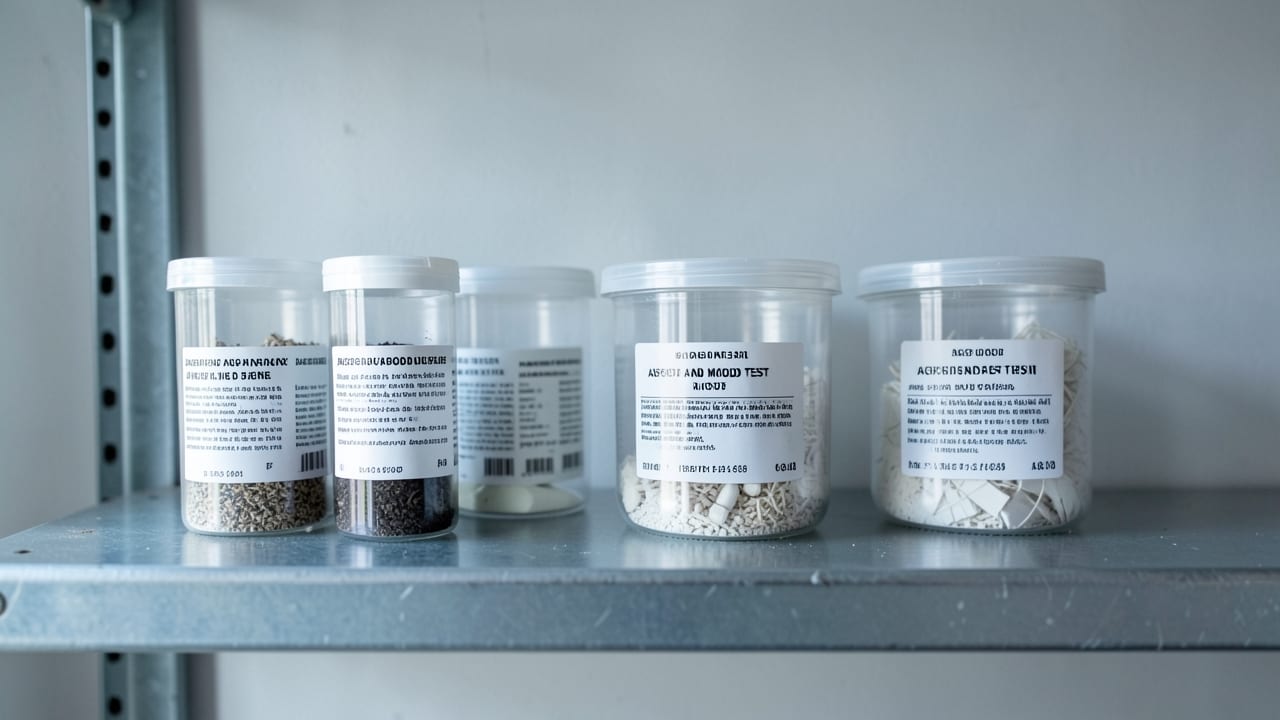
Mold & Asbestos Testing in Mount Holly, NJ
Combined mold and asbestos testing in Mount Holly, NJ — one inspection visit, lab-verified results for both.
Learn More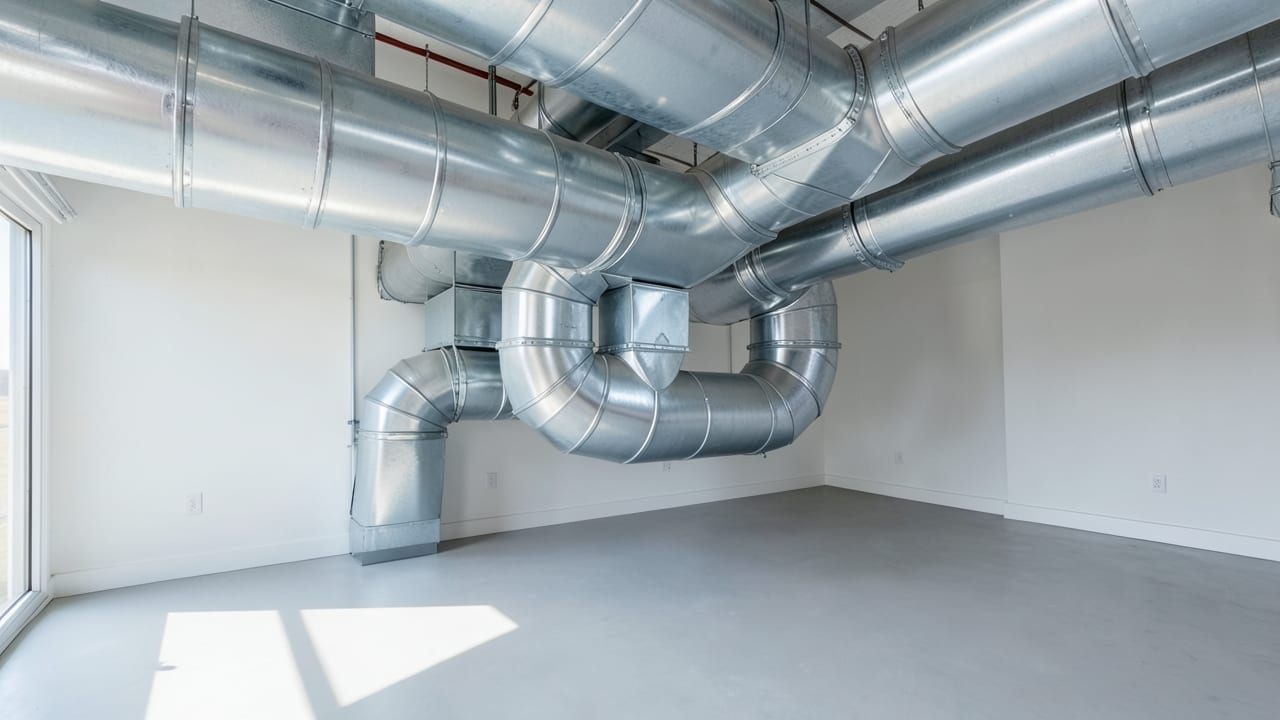
HVAC Mold Remediation in Mount Holly, NJ
HVAC and ductwork mold remediation in Mount Holly, NJ — mold growing inside the air handler or duct system, spreading through every vent.
Learn MoreCommon Questions About Mold Remediation in Mount Holly
Everything you need to know about mold remediation services in Mount Holly
How much does Spring Mold Inspection typically cost in Mount Holly, NJ?
Why does Mount Holly, NJ's humidity make mold a bigger risk than in drier regions?
Can small mold problems be handled without hiring anyone?
What's the actual difference between mold removal and mold remediation?
Is a final clearance test part of a typical mold remediation job?
How does mold remediation actually prevent the problem from coming back?
Need Mold Remediation in Mount Holly?
Connect with local providers in Mount Holly for a detailed quote.
⏰ We answer your call • Serving all of Mount Holly and surrounding areas