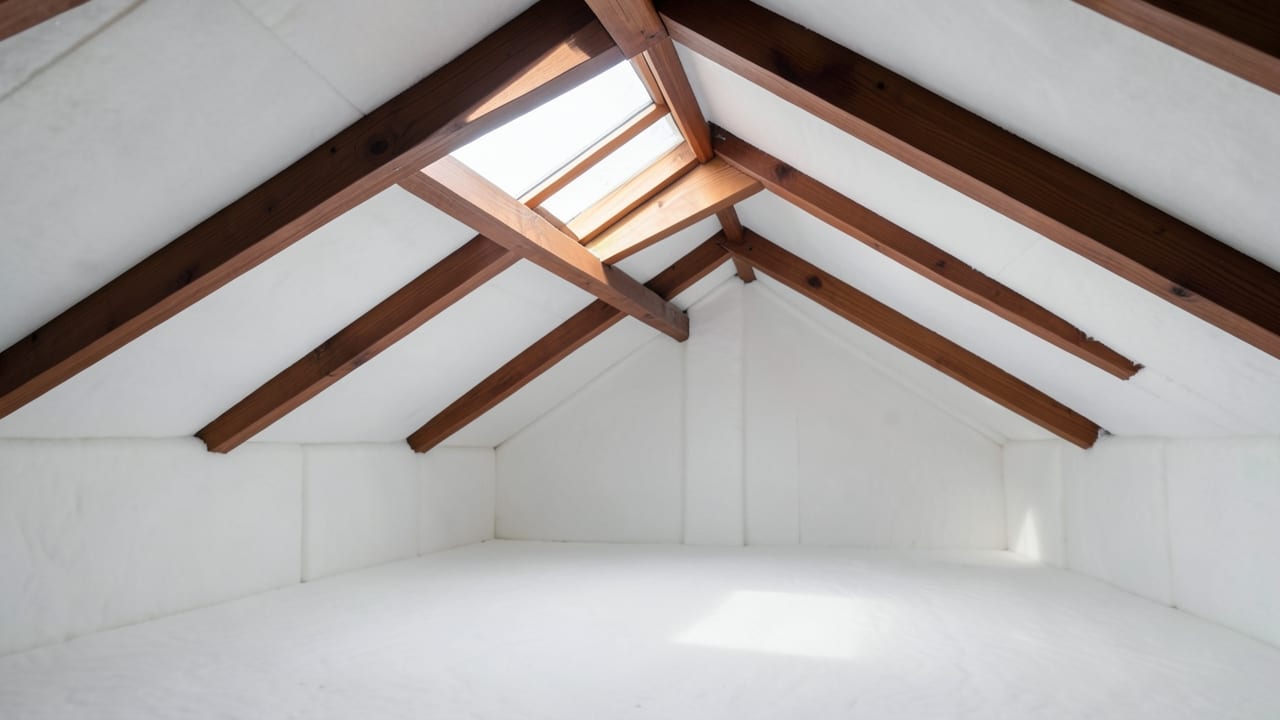
Roof Leak Mold Remediation
Professional removal of mold caused by roof leaks to restore a safe, healthy home environment.
When a roof leak in Mount Holly, NJ, goes untreated, hidden mold can spread quickly through framing, insulation, and drywall. Roof leak mold remediation stops the growth by sealing off contaminated areas, removing damaged materials, and fixing moisture sources to prevent recurrence.
Proper containment and HEPA filtration ensure spores don’t spread to unaffected parts of your home during the process.
We also handle Clinic Mold Remediation and Hotel Mold Remediation for Mount Holly properties.
When roof leak mold needs professional help
Mold from a roof leak often starts small but can grow into a larger problem if ignored. If you notice mold covering more than a few square feet, returning after cleaning, or accompanied by a musty smell—especially when the HVAC runs—it’s likely time for professional remediation.
Hidden growth behind walls or under flooring also signals a deeper issue requiring expert attention.
DIY cleaning may remove surface mold, but spores often linger in porous materials like drywall or insulation. Without fixing the leak and properly containing the work area, mold can regrow within weeks. A professional ensures the source is addressed and the job is done safely to protect your family’s health.
Signs Your Roof Leak Mold Needs Remediation
- Mold covers more than a small, isolated patch (25+ square feet is a common threshold for professional help).
- The mold keeps returning after cleaning, even in the same spot.
- You smell a musty odor with no visible mold—this often means hidden growth in walls, ducts, or under flooring.
- The HVAC system spreads the smell when turned on, suggesting mold in ductwork.
What affects cost and timeline?
The size of the affected area and the type of mold (e.g., black mold) directly impact pricing. Containment, removal, drying, and clearance testing are all part of the process, and hidden damage—like mold in framing or ductwork—can extend the job.
Most Mount Holly remediation jobs take 2–5 days, depending on the scope and moisture levels.
Avoiding common pitfalls—like skipping containment or fixing the leak—can prevent costly callbacks. Always ask for a written scope of work and third-party clearance testing to confirm the job is complete.
What to watch for in your quote
Not all quotes cover the same steps. Containment, clearance testing, and fixing the moisture source should be included—or at least discussed upfront. A lowball estimate that skips these can lead to hidden costs later.
Always ask for a written scope of work and confirmation that the company is registered as a Home Improvement Contractor (HIC) in New Jersey.
Red flags include vague area estimates, pressure to sign during the inspection, or no mention of post-remediation testing. A reputable contractor will provide clear details and explain each step before starting.
| Question to Ask | What to Look For |
|---|---|
| Does the estimate include inspection, testing, remediation, and clearance testing? | Yes—containment and testing are often priced separately. |
| Is the square footage or area being treated clearly specified? | Yes—a vague estimate makes it hard to compare bids. |
| Will a third-party lab test confirm clearance after the work? | Yes—this verifies the job is complete. |
| What happens if hidden mold is found during demolition? | Change orders should be discussed upfront to avoid surprises. |
How roof leak mold remediation works
This process safely removes mold while preventing spores from spreading to clean areas.
- 1Containment Setup
Plastic sheeting and negative-air machines seal off the work area to trap spores. This keeps them from drifting into hallways or HVAC systems during removal.
- 2Moldy Material Removal
Porous materials like drywall and insulation—where mold grows deep—are cut out and bagged. Non-porous surfaces (framing, tile) are scrubbed and treated instead of discarded.
- 3HEPA Filtration and Cleanup
HEPA air scrubbers run continuously, and surfaces are vacuumed with HEPA-filtered equipment to capture spores. Standard shop vacuums can recirculate them back into the air.
- 4Structural Drying
Industrial dehumidifiers and air movers dry framing and subfloors to normal moisture levels. Mold regrows on damp materials even after visible traces are removed.
- 5Clearance Testing
An independent lab tests air or surfaces post-remediation to confirm spore counts are back to normal before containment is removed.
Frequently asked questions
Can I clean small roof leak mold myself?
Small patches (under 25 square feet) can sometimes be cleaned with vinegar or detergent, but porous materials like drywall should be removed if mold has penetrated them. If the mold keeps returning or you smell it hidden, professional remediation is safer.
How long does the remediation process take?
Most jobs take 2–5 days, depending on the size of the affected area and moisture levels. Containment, removal, drying, and testing all add time to ensure the job is thorough.
Will my insurance cover roof leak mold remediation?
Some policies cover mold damage caused by sudden leaks, but coverage varies. Check your policy and document the leak before contacting your insurer—proof of the source is often required.
How do I know the mold is really gone after remediation?
An independent clearance test—conducted by a third-party lab—confirms spore counts are back to normal. Without this step, there’s no way to verify the job is complete.
See Eastampton, NJ for more, or take a look at what we cover for Mount Holly properties before booking for our complete lineup.
Ready to get started?
Talk to a local mold remediation pro in Mount Holly — get a written quote.
Other Mold Remediation Services in Mount Holly
Clinic Mold Remediation in Mount Holly, NJ
Professional mold removal and remediation to restore safe, healthy indoor spaces.
Learn More
Hotel Mold Remediation in Mount Holly, NJ
Professional removal and treatment of mold growth in hotel properties to restore safe, clean environments.
Learn More
Gym Mold Remediation in Mount Holly, NJ
Professional removal and treatment of mold in gyms to restore safe, clean environments.
Learn More
Salt Air Mold Remediation in Mount Holly, NJ
Professional mold assessment, containment, removal, and prevention in affected areas of the home.
Learn More
Pest Infestation Mold Remediation in Mount Holly, NJ
Professional mold removal and remediation for pest-related infestations in homes.
Learn More
Spring Mold Inspection in Mount Holly, NJ
Professional assessment and identification of mold growth in homes.
Learn MoreCommon Questions About Mold Remediation in Mount Holly
Everything you need to know about mold remediation services in Mount Holly
How much does Roof Leak Mold Remediation typically cost in Mount Holly, NJ?
Why does Mount Holly, NJ's humidity make mold a bigger risk than in drier regions?
Can mold growing inside HVAC ductwork spread to the rest of a home?
Does mold mean the same thing as mildew?
Does homeowners insurance typically cover mold remediation?
Is black mold actually more dangerous than other mold types?
Need Mold Remediation in Mount Holly?
Connect with local providers in Mount Holly for a detailed quote.
⏰ We answer your call • Serving all of Mount Holly and surrounding areas