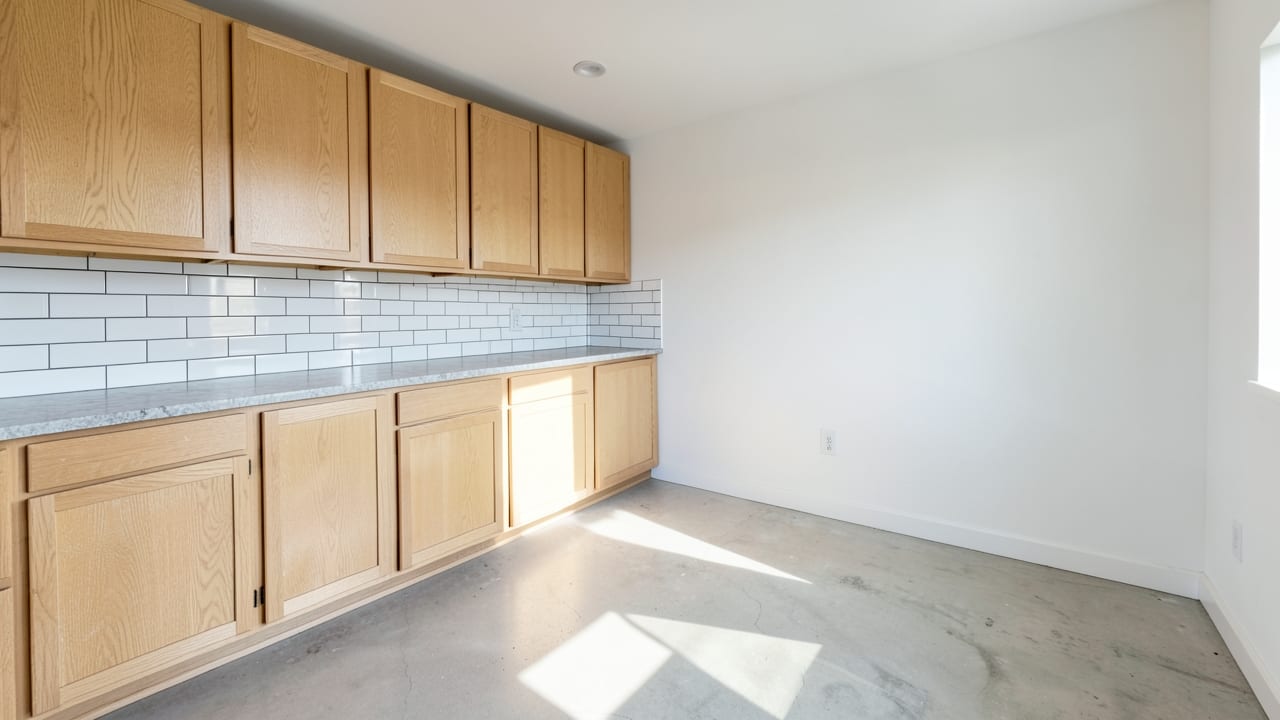
Rental Property Mold Cleanup
Professional mold removal and remediation for rental properties to restore safe living conditions.
Mold growth in rental properties around Mount Holly, NJ, requires professional remediation to prevent health risks and structural damage. Unlike surface cleaning, proper mold cleanup involves containment, removal of contaminated materials, HEPA filtration, and moisture control to ensure the problem doesn’t return.
Landlords and homeowners alike need a structured approach to address hidden growth, recurring patches, or musty odors safely and effectively.
We also handle Attic Mold Remediation and Commercial Mold Remediation for Mount Holly properties.
When mold cleanup becomes a remediation job
Not all mold problems require full remediation, but certain signs indicate a job is beyond DIY cleaning. Growth covering more than a small, isolated patch—especially if it exceeds 25 square feet—often means hidden moisture or structural involvement.
Recurring mold in the same spot after cleaning suggests the root moisture issue wasn’t addressed, while a musty smell with no visible mold can signal hidden growth in walls, under flooring, or inside ductwork.
Poor airflow in enclosed spaces like basements, windowless bathrooms, or closets also increases risk. If mold keeps reappearing or spreads despite cleaning, professional remediation is necessary to contain spores, remove contaminated materials, and fix the underlying moisture source.
Signs You Need Professional Mold Remediation
- Mold covers more than a small, isolated patch (especially over 25 sq. ft.)
- Growth returns in the same spot after cleaning—indicates unresolved moisture
- Musty odor with no visible mold—suggests hidden growth in walls, ducts, or subfloors
- Poor airflow in enclosed spaces (basements, closets, windowless rooms) where dampness lingers
- Visible mold in HVAC vents or ductwork—spores spread through the entire system
What affects pricing and timing
The cost of mold remediation depends on the size of the affected area, the type of mold, and whether hidden growth requires structural work. Black mold typically costs 15–25% more than standard remediation due to stricter containment and disposal protocols.
Pricing also varies based on whether containment, clearance testing, and moisture source repairs are included—or billed separately—as these steps are critical for long-term results.
Timing depends on containment setup, material removal, drying, and clearance testing. Jobs with extensive hidden mold or structural involvement take longer, while surface-level growth may resolve in a single day. Always confirm whether the quote includes inspection, testing, and post-remediation verification to avoid unexpected costs.
Why containment and testing matter
Containment prevents spores from spreading during removal by sealing the work area with plastic sheeting and negative-air machines. Without this, disturbed spores can drift into unaffected rooms via HVAC systems or open doorways, turning a small job into a larger infestation.
HEPA air scrubbers and vacuums are used to capture spores during cleanup, as standard equipment recirculates them back into the air.
Clearance testing after remediation confirms spore counts are back to normal levels. This step is often skipped by less thorough providers but is essential for verifying the job’s effectiveness. Skipping it leaves uncertainty about whether hidden mold remains.
Using non-HEPA vacuums or air scrubbers recirculates spores instead of capturing them. Paying for a job without containment or clearance testing risks incomplete removal and recurring growth. Always verify the crew follows NJ’s Home Improvement Contractor (HIC) registration requirements.
How rental property mold remediation works
Professional mold cleanup follows a structured process to contain spores, remove contaminated materials, and prevent regrowth.
- 1Containment Setup
Plastic sheeting and negative-air machines seal the affected area to prevent spores from spreading during removal. All doors and vents are blocked, and fans direct airflow away from the work zone.
- 2Material Removal
Porous materials like drywall, insulation, and carpet padding—where mold grows deep—are cut out and bagged inside containment. Non-porous surfaces (tile, metal framing) are scrubbed and treated instead of discarded.
- 3HEPA Filtration and Drying
HEPA air scrubbers run continuously to capture airborne spores, and surfaces are vacuumed with HEPA-filtered equipment. Industrial dehumidifiers and air movers dry framing and subfloors to prevent mold regrowth on damp materials.
- 4Clearance Testing
An independent lab tests air or surfaces post-remediation to confirm spore levels are back to normal. This step ensures the job meets safety standards before containment is removed.
- 5Moisture Source Repair
Fixing leaks, improving airflow, or adjusting grading outside the home prevents future mold. Skipping this step often leads to recurring growth in the same area.
Frequently asked questions
Can I clean small mold patches myself, or should I call a professional?
Small, isolated patches (under 10 sq. ft.) can often be cleaned with detergent and water, but growth covering more than 25 sq. ft. or recurring in the same spot requires professional remediation. Hidden mold or musty odors also signal a need for containment and testing.
How do I know if mold is still there after cleanup?
Post-remediation clearance testing—done by an independent lab—confirms spore levels are back to normal. Without this step, there’s no way to verify whether hidden mold remains. Always ask for written proof of testing in your contract.
Will mold come back if the crew fixes the visible growth but not the moisture problem?
Yes. Mold regrows on damp materials even after removal. Fixing leaks, improving ventilation, or adjusting grading outside the home is critical to prevent recurrence. Ask the crew to document moisture source repairs in the scope of work.
How long does mold remediation typically take in a rental property?
Surface-level growth may resolve in a day, but jobs with hidden mold or structural involvement can take 2–5 days. Containment setup, drying time, and clearance testing add to the timeline. Always confirm the quote includes these steps.
See Rancocas, NJ for more, or check out our full Mount Holly-area coverage by category for our complete lineup.
Ready to get started?
Talk to a local mold remediation pro in Mount Holly — get a written quote.
Other Mold Remediation Services in Mount Holly
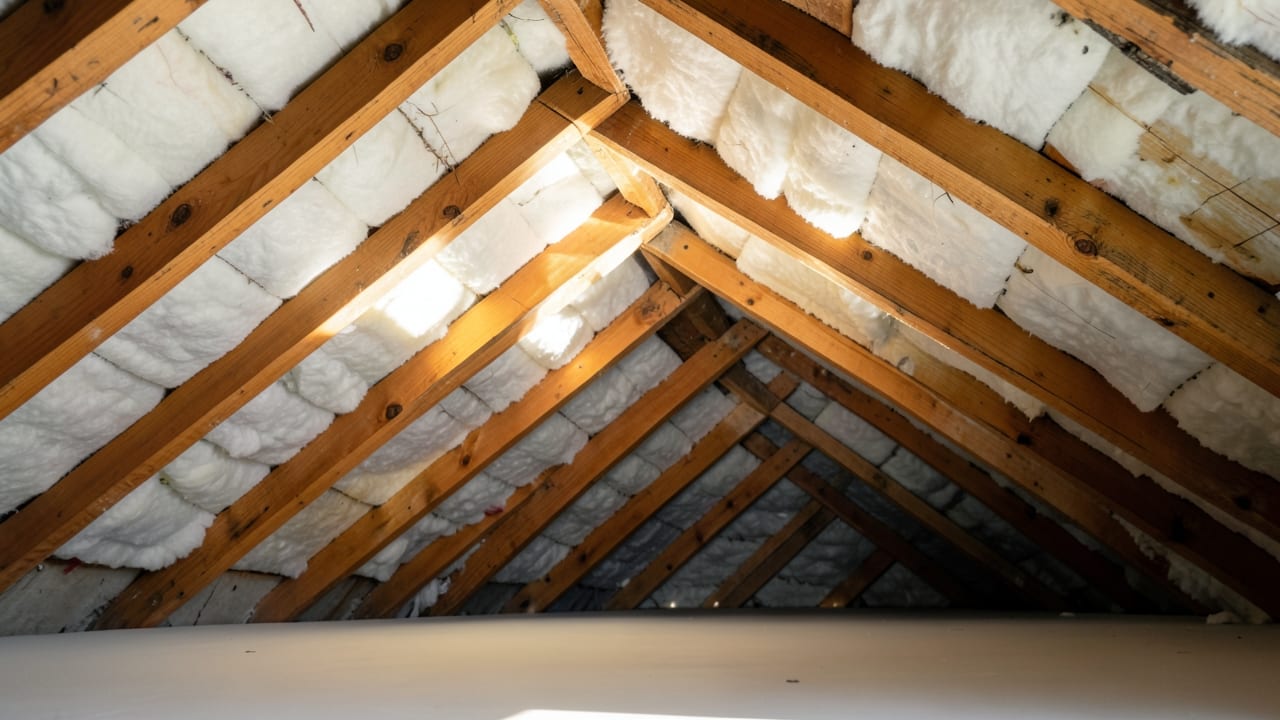
Attic Mold Remediation in Mount Holly, NJ
Attic mold remediation in Mount Holly, NJ addresses roof-deck growth typically caused by poor ventilation or a hidden roof leak.
Learn More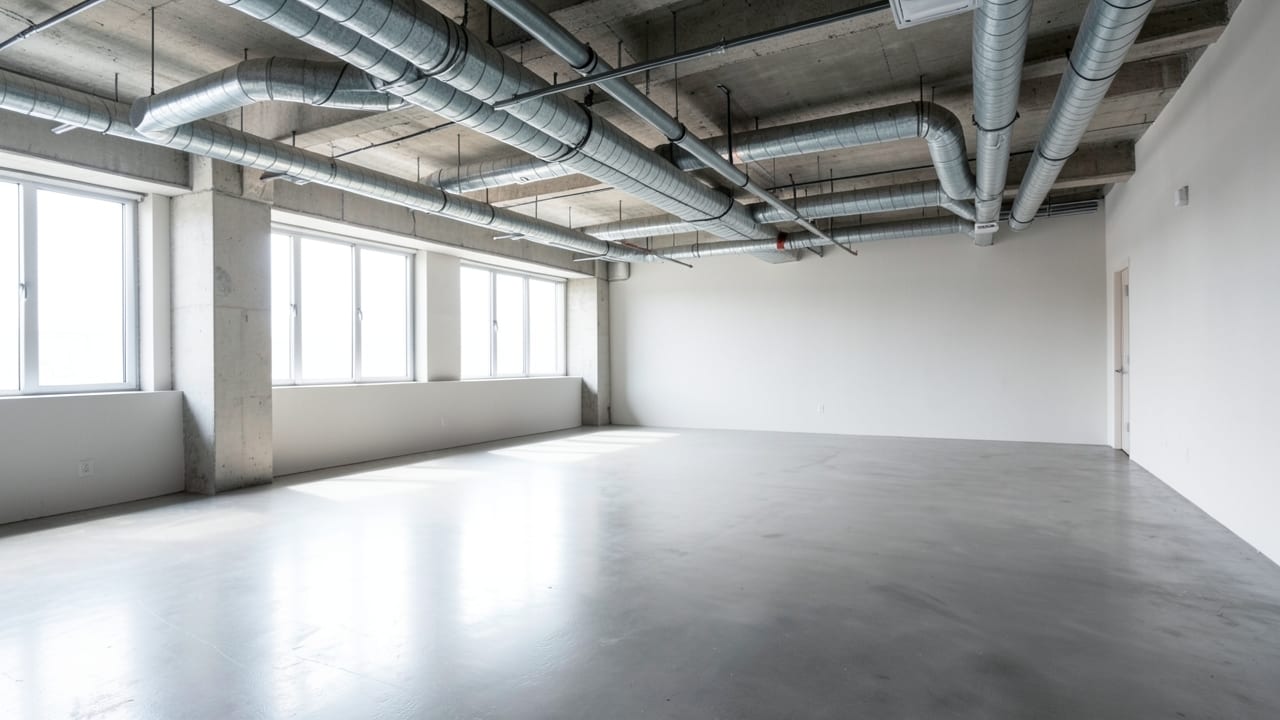
Commercial Mold Remediation in Mount Holly, NJ
Commercial mold inspection and remediation in Mount Holly, NJ for offices, retail space, and multi-unit properties, scheduled around business operations.
Learn More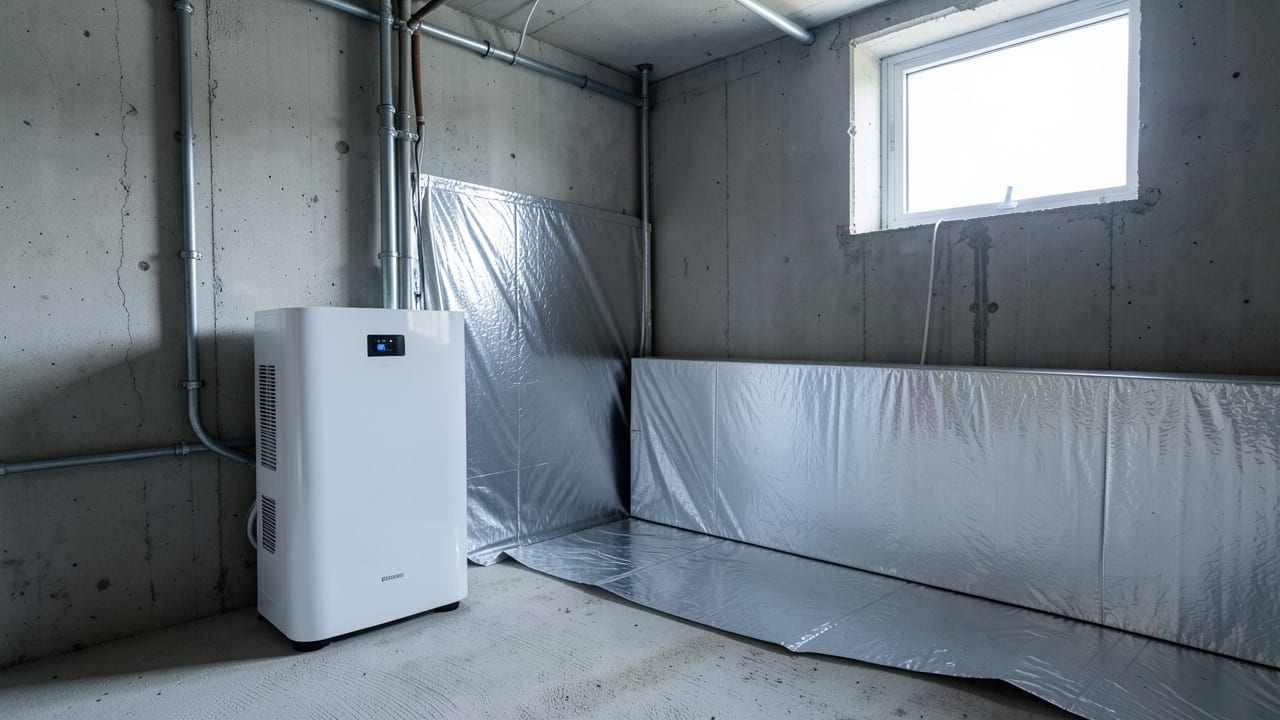
Mold Prevention & Moisture Control in Mount Holly, NJ
Mold prevention and moisture control in Mount Holly, NJ — addressing ventilation, humidity, and drainage before growth starts, not after.
Learn More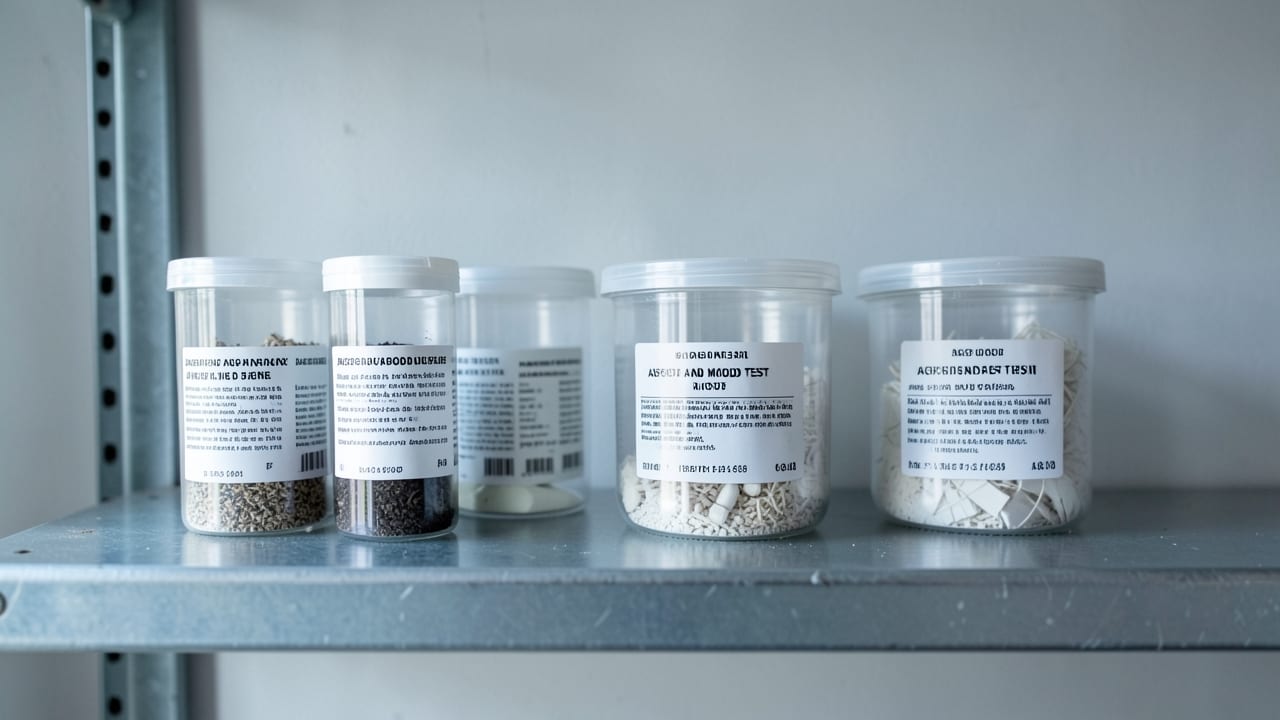
Mold & Asbestos Testing in Mount Holly, NJ
Combined mold and asbestos testing in Mount Holly, NJ — one inspection visit, lab-verified results for both.
Learn More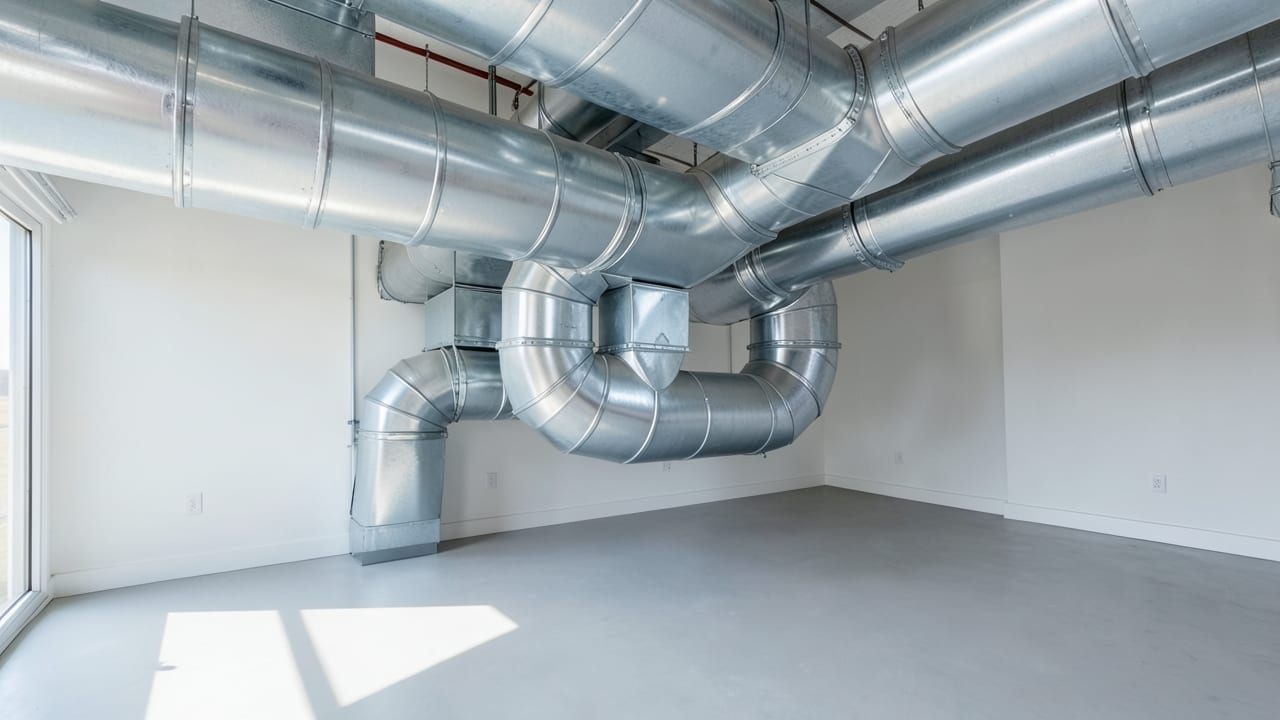
HVAC Mold Remediation in Mount Holly, NJ
HVAC and ductwork mold remediation in Mount Holly, NJ — mold growing inside the air handler or duct system, spreading through every vent.
Learn More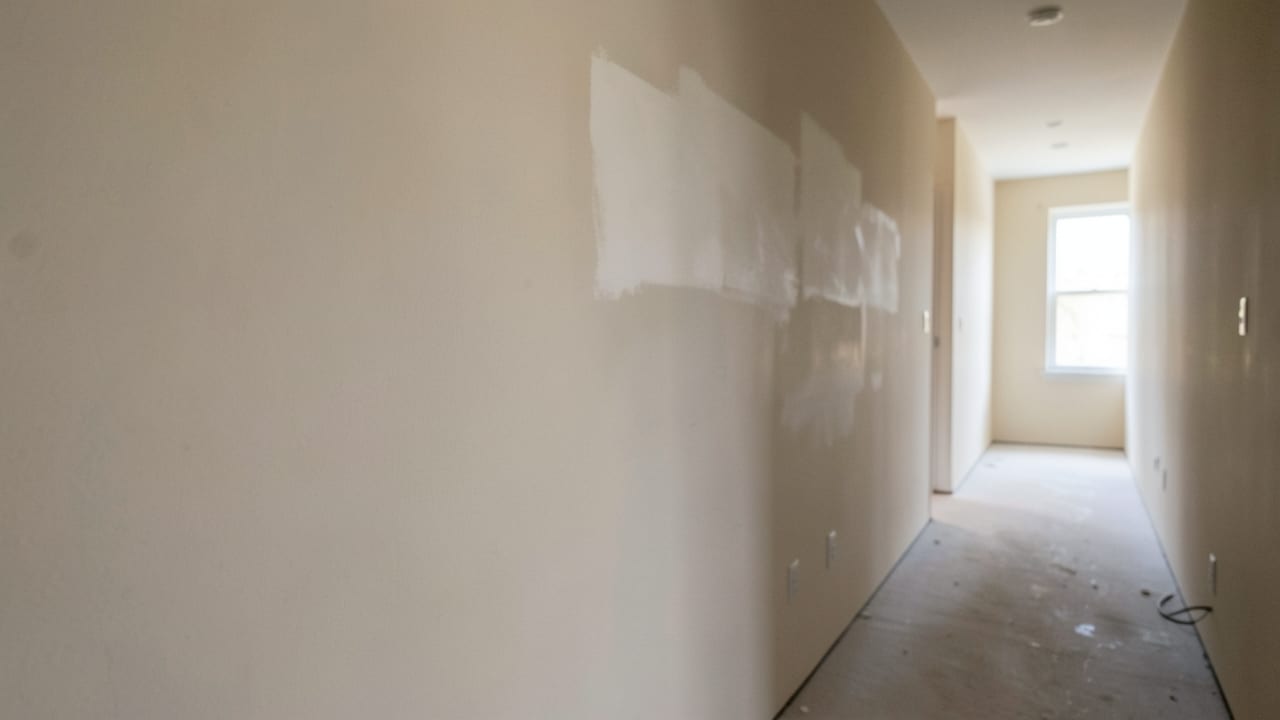
Drywall Mold Remediation in Mount Holly, NJ
Professional removal and treatment of mold growth behind or on drywall surfaces.
Learn MoreCommon Questions About Mold Remediation in Mount Holly
Everything you need to know about mold remediation services in Mount Holly
How much does Rental Property Mold Cleanup typically cost in Mount Holly, NJ?
Why does Mount Holly, NJ's humidity make mold a bigger risk than in drier regions?
What's the actual difference between mold removal and mold remediation?
Is a final clearance test part of a typical mold remediation job?
How does mold remediation actually prevent the problem from coming back?
Can mold growing inside HVAC ductwork spread to the rest of a home?
Need Mold Remediation in Mount Holly?
Connect with local providers in Mount Holly for a detailed quote.
⏰ We answer your call • Serving all of Mount Holly and surrounding areas