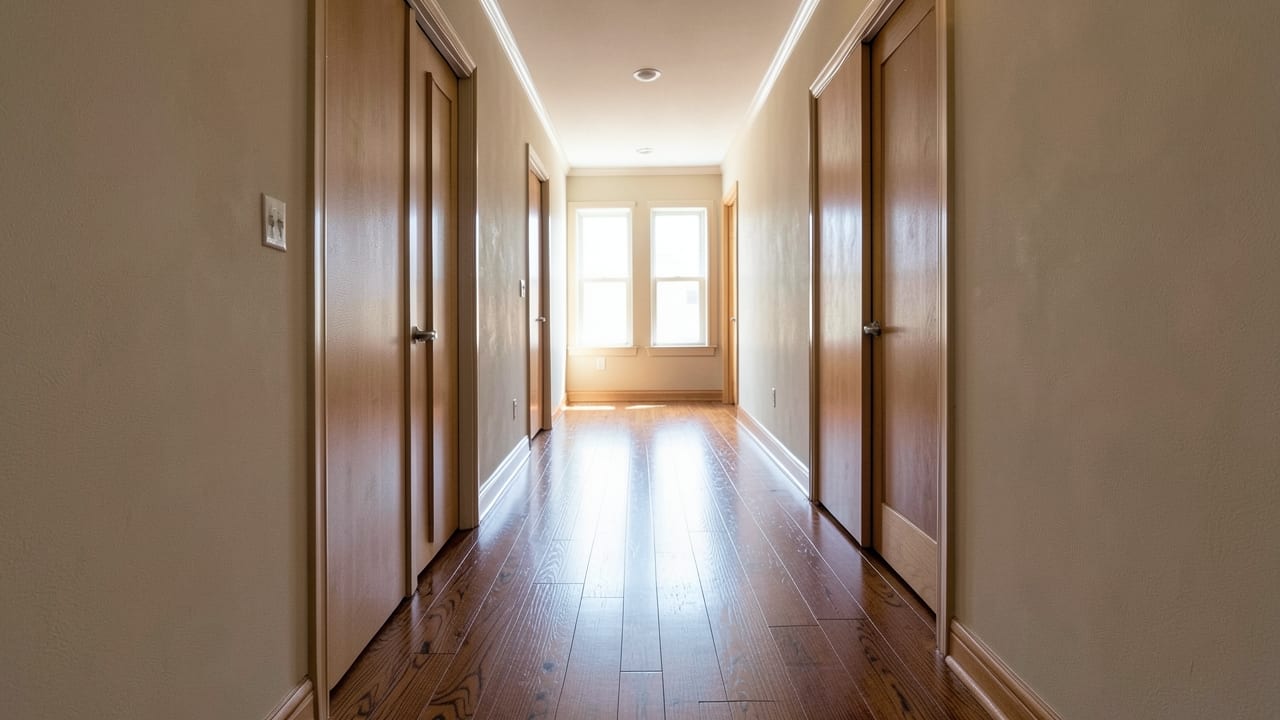
Hallway Mold Remediation
Professional removal and treatment of mold growth in residential hallways.
Hallway mold remediation in Mount Holly, NJ, focuses on safely removing mold growth from walls, ceilings, and flooring in home corridors. The process includes containment to prevent spores from spreading, removal of affected materials, and thorough drying to stop regrowth.
Proper techniques ensure the issue is addressed without contaminating unaffected areas of your home.
We also handle Move-In Mold Assessment and Mold Inspection for Mount Holly properties.
When hallway mold needs professional attention
Mold in hallways can often be mistaken for a minor issue, but certain signs indicate it requires professional remediation. If mold covers more than a small, isolated patch—typically over 25 square feet—it’s usually beyond DIY solutions.
Repeated regrowth in the same spot suggests an unresolved moisture source, while a musty smell with no visible mold often points to hidden growth.
A musty odor that worsens when your HVAC system runs may signal mold in ductwork, spreading spores throughout your home. Professional remediation ensures containment, proper removal, and moisture control to prevent recurrence. Ignoring these signs can lead to larger, more costly problems down the line.
Signs You Need Hallway Mold Remediation
- Mold covers more than 25 contiguous square feet (a common threshold for professional work).
- Growth keeps returning after cleaning, suggesting an unaddressed moisture issue.
- A musty smell persists with no visible mold, indicating hidden growth in walls or ductwork.
- The odor intensifies when HVAC runs, pointing to mold spreading through air vents.
What affects cost and timeline?
The cost of hallway mold remediation varies based on the size of the affected area, the type of mold, and the materials involved. Surface-level mold on drywall or tile typically costs less than deep-seated growth requiring structural repairs.
Confirmed black mold (Stachybotrys) often increases costs by 15-25% due to stricter handling requirements.
Timelines depend on containment setup, removal of contaminated materials, drying, and clearance testing. Jobs with hidden moisture sources or extensive damage may take longer. Always confirm whether an estimate includes inspection, containment, remediation, and post-work testing to avoid unexpected costs.
Common pitfalls to avoid
Skipping containment can turn a small job into a larger contamination issue, as spores spread to unaffected areas. Using non-HEPA equipment during removal recirculates spores instead of capturing them, making the problem worse. Without fixing the moisture source—like a leak or poor ventilation—mold will likely return within months.
Always verify that a contractor is registered as a Home Improvement Contractor (HIC) in New Jersey, as required by state law. A written scope of work and third-party clearance testing ensure transparency and confirm the job is complete.
Avoid quotes that exclude containment or testing, or pressure you to sign without reviewing details.
Avoid bids that exclude containment, clearance testing, or a written scope of work. Pressure to sign during the inspection visit or full upfront payment before work starts are also warning signs of potential issues.
How hallway mold remediation works
- 1Containment Setup
Plastic sheeting and negative-air machines seal off the hallway to prevent spores from spreading to other areas during cleanup. This step ensures contaminated air stays within the work zone.
- 2Material Removal
Porous materials like drywall and carpet padding, which absorb mold, are cut out and bagged. Non-porous surfaces like tile or framing are scrubbed and treated instead of discarded.
- 3HEPA Filtration and Cleanup
HEPA air scrubbers run continuously to capture airborne spores, and surfaces are vacuumed with HEPA-filtered equipment to avoid recirculating mold particles.
- 4Structural Drying
Industrial dehumidifiers and air movers dry framing and subflooring to normal moisture levels, preventing regrowth on damp materials.
- 5Clearance Testing
An independent lab tests air or surfaces post-remediation to confirm spore counts are back to normal before containment is removed.
Frequently asked questions
How do I know if my hallway mold is too much for me to clean myself?
If mold covers more than 25 square feet, keeps returning after cleaning, or you notice a musty smell with no visible growth, it’s best to hire a professional. Hidden mold or HVAC-related spread also signals the need for expert remediation.
Will the remediation process disrupt my home’s airflow or temperature?
Containment and negative-air machines isolate the work area, but nearby rooms may experience slight temperature or airflow changes. The crew will minimize disruption and restore normal conditions once the job is complete.
How long does it take to remediate hallway mold, and when can I use the space again?
Timelines vary, but containment, removal, and drying typically take 1–3 days. Clearance testing may add another day. You can usually resume normal use once testing confirms the space is safe, though some drying may require longer.
What should I do to prevent mold from coming back after remediation?
Fix the moisture source—like leaks or poor ventilation—and use fans or dehumidifiers in persistently damp areas. Monitor humidity levels in the hallway for the first year to catch early signs of recurrence.
See Juliustown, NJ for more, or browse what we cover for Mount Holly properties at a glance for our complete lineup.
Ready to get started?
Talk to a local mold remediation pro in Mount Holly — get a written quote.
Other Mold Remediation Services in Mount Holly
Move-In Mold Assessment in Mount Holly, NJ
Professional inspection and assessment of mold presence before moving into a property.
Learn More
Mold Inspection in Mount Holly, NJ
Mold inspection in Mount Holly, NJ — a visual and moisture-meter assessment that finds the source of growth, not just the visible spot on the wall.
Learn More
Mold Testing & Air Quality Testing in Mount Holly, NJ
Mold and indoor air quality testing in Mount Holly, NJ — lab-analyzed air and surface samples confirm what's actually growing and whether it's airborne.
Learn More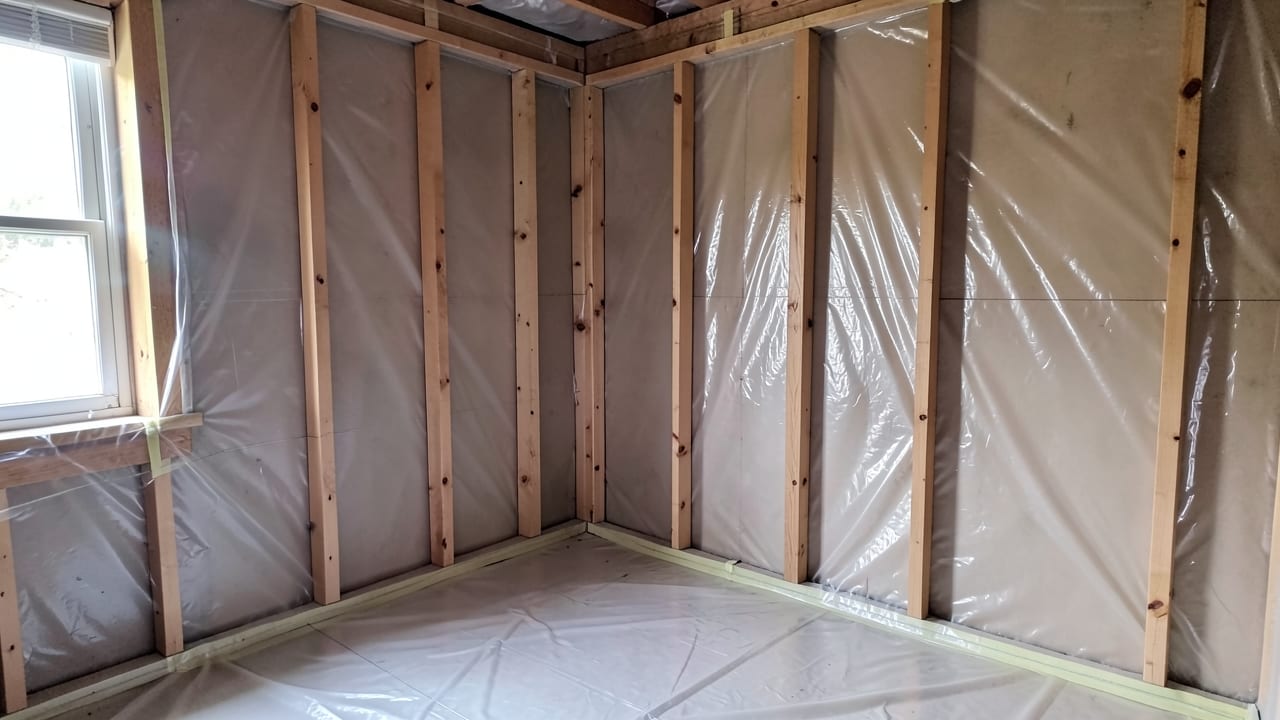
Mold Removal & Remediation in Mount Holly, NJ
Mold removal and remediation in Mount Holly, NJ — containment, HEPA filtration, and removal of affected material following industry (IICRC S520) protocol.
Learn More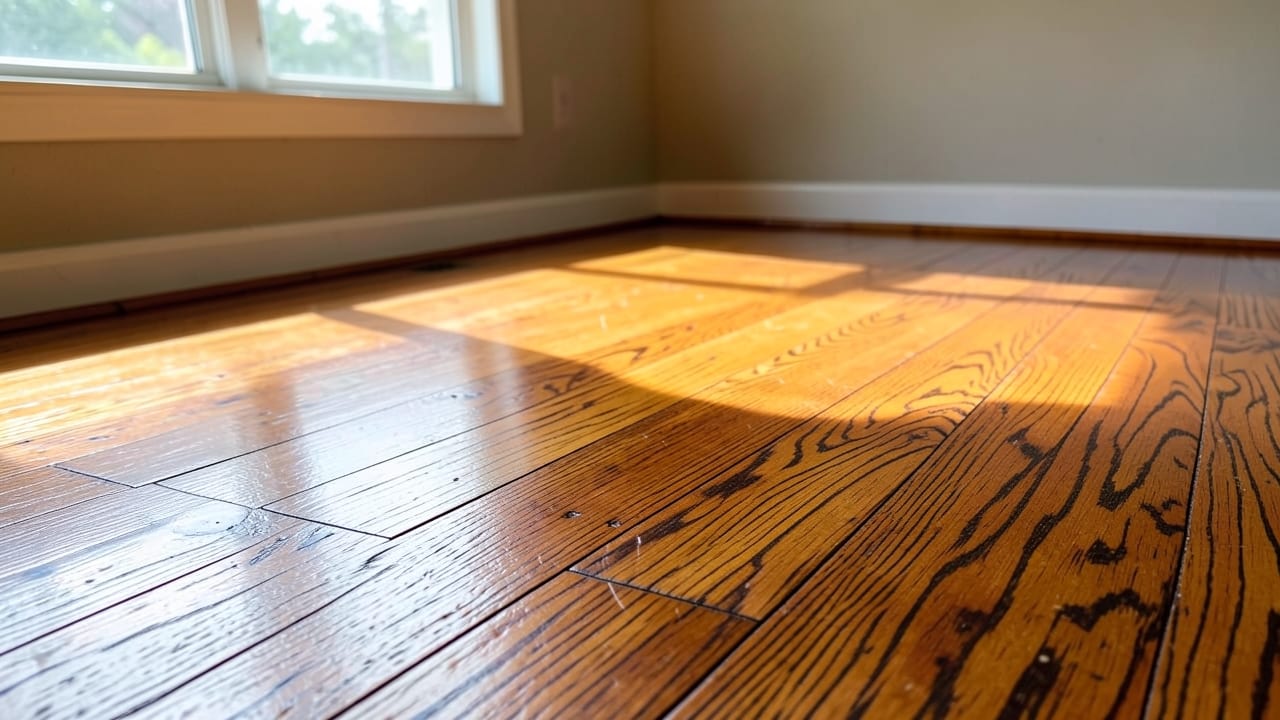
Water Damage Restoration in Mount Holly, NJ
Water damage restoration in Mount Holly, NJ — extraction and structural drying to stop mold growth before it starts, following a leak, storm, or flood.
Learn More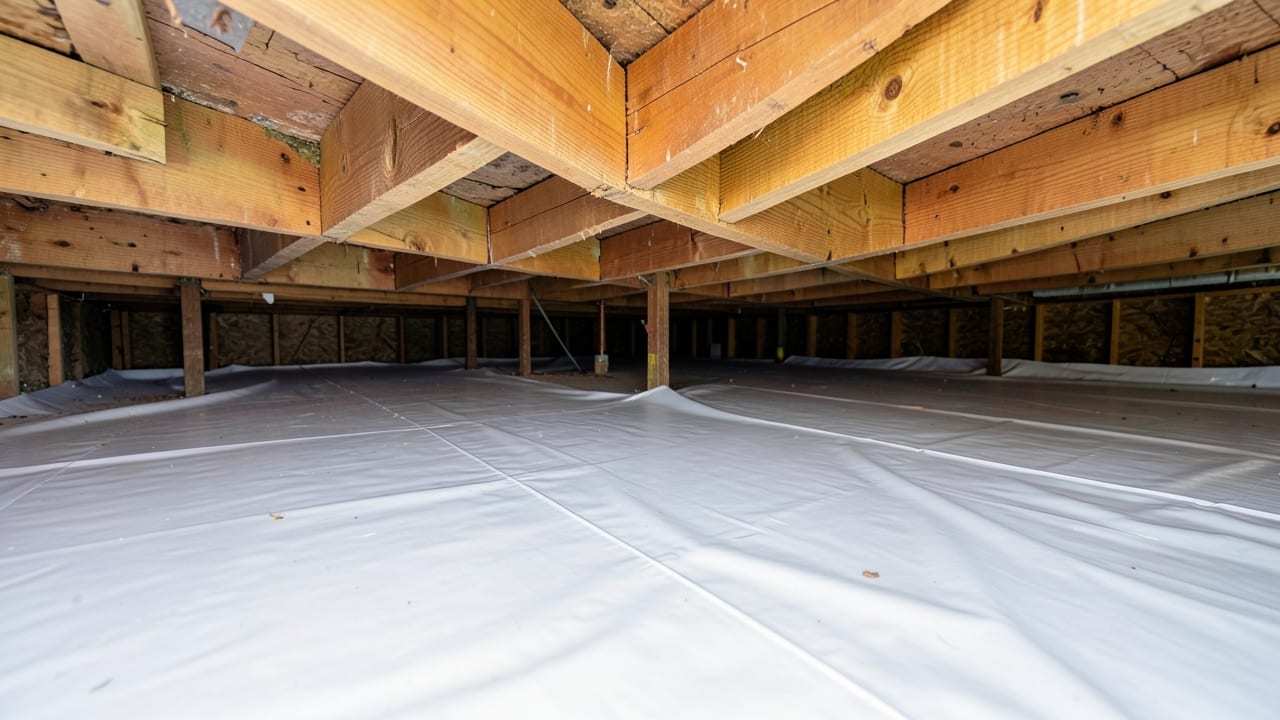
Crawl Space & Basement Mold Remediation in Mount Holly, NJ
Crawl space and basement mold remediation in Mount Holly, NJ addresses the two areas of a property most prone to trapped, unnoticed moisture.
Learn MoreCommon Questions About Mold Remediation in Mount Holly
Everything you need to know about mold remediation services in Mount Holly
How much does Hallway Mold Remediation typically cost in Mount Holly, NJ?
Why does Mount Holly, NJ's humidity make mold a bigger risk than in drier regions?
How long does a typical mold remediation job take?
Is it safe to stay in the home during mold remediation?
Can small mold problems be handled without hiring anyone?
What's the actual difference between mold removal and mold remediation?
Need Mold Remediation in Mount Holly?
Connect with local providers in Mount Holly for a detailed quote.
⏰ We answer your call • Serving all of Mount Holly and surrounding areas